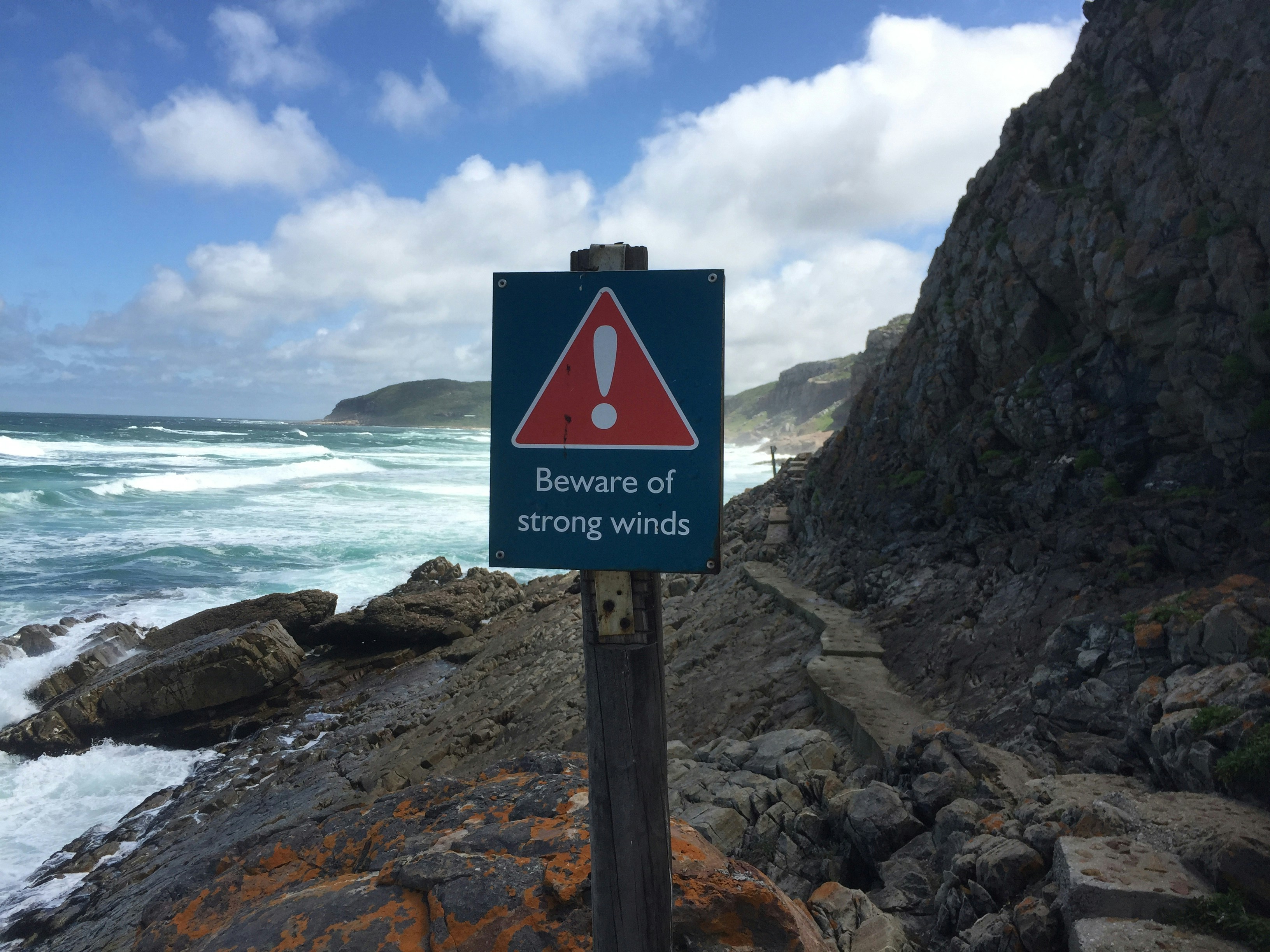
Introduction to the Weather Warnings
As the United Kingdom braces for severe weather conditions, the Met Office has issued a series of yellow weather warnings. These alerts, significant in nature, primarily concern residents of Scotland, Northern Ireland, along with parts of England and Wales. Yellow warnings serve as an early indication of potential disruptions caused by adverse weather, which can include heavy rain, strong winds, or storms.
The issuance of these warnings indicates that adverse weather is expected to cause some impact on daily activities, although it does not guarantee that severe conditions will occur in every area. Rather, it is a precautionary measure urging the public to stay informed and prepare accordingly. In regions where the yellow warnings are active, residents can expect increased rainfall and gusty winds, which could lead to localized flooding and travel disruptions.
For residents in the affected areas, it is advisable to monitor the latest forecasts and updates from the Met Office. Understanding the implications of a yellow warning is essential; these warnings may prompt individuals to take preventive measures, such as securing outside belongings, planning routes that avoid flood-prone areas, and remaining vigilant regarding the changing weather conditions.
As the storm approaches, it is vital for communities to share information and ensure safety protocols are understood. Whether it be through local media, social networks, or community boards, staying connected can enhance preparedness and resilience during such weather events. A collective effort can help mitigate risks associated with severe weather, ultimately ensuring the safety and well-being of residents across the UK.
Regions Affected by Wind Warnings
As the impending storm approaches, several regions across the UK are currently under yellow wind warnings. These advisories highlight the areas most likely to experience hazardous weather conditions, particularly strong gusts of wind that may pose risks to both infrastructure and individuals. The regions affected include parts of Scotland, Northern Ireland, northern England, and north Wales.
In Scotland, the western coastal areas and the Highlands are likely to face the brunt of the wind, with gusts projected to reach alarming speeds. The advice for residents in these areas is to secure loose items outdoors and remain vigilant for severe weather updates from local authorities. Specific towns that may experience significant effects include Oban, Fort William, and Inverness.
In Northern Ireland, similar conditions are expected, particularly impacting coastal regions such as County Antrim and parts of County Down. The wind may lead to dangerous driving conditions, especially along the coastal routes. Residents are urged to stay updated and exercise caution when traveling or engaging in outdoor activities.
Moving to northern England, areas including Cumbria and Northumberland are also under wind warnings. The Met Office has indicated that these regions may expect strong gusts particularly across exposed hills and mountains, which can lead to potential travel disruptions. Major roads and transport services might be affected, prompting the need for contingency plans.
Lastly, north Wales is set to experience similar weather patterns, with forecasts suggesting that places like Snowdonia could be particularly prone to severe gusts. Local authorities recommend that residents remain alert and prepare for possible disruptions to power and travel.
Expected Wind Speeds and Conditions
The forthcoming weather event across the UK poses significant risks, particularly due to the anticipated wind speeds. Meteorologists predict that gusts will reach between 50 and 60 mph in numerous areas, leading to potential disruptions in transportation and power supply. Regions that are more exposed, such as coastal areas and elevated terrains, stand a greater chance of experiencing even stronger gusts, which could exceed these initial forecasts.
In specific locations within central and northern Scotland, the situation is expected to escalate further, with peak wind speeds possibly reaching between 80 and 90 mph. These extreme conditions create challenges, particularly for high-sided vehicles and those engaging in outdoor activities. Individuals in these areas are now being urged to prepare for hazardous weather, recognizing the importance of awareness in ensuring personal safety and minimizing damage.
Moreover, the wind patterns are likely to bring additional adverse weather conditions, including rain and further disturbances in atmospheric pressure. This combination raises concerns about fallen trees and flying debris, contributing to hazardous situations on roadways and public spaces. Authorities have advised residents to remain vigilant and informed about potential changes in the forecast, as these may adapt as the storm approaches.
As communities brace for the impending storm, it is crucial to adhere to weather updates and advisories from the Met Office and local authorities. Preparedness can significantly mitigate risks associated with strong wind events, enabling individuals to navigate through these conditions more safely as the forecast unfolds.
Coastal Impacts and Dangerous Conditions
The impending storm poses significant risks to coastal areas across the UK, particularly due to the combination of high winds and large waves. As forecasted conditions intensify, residents and visitors to coastal regions should be acutely aware of the associated dangers. High winds can lead to hazardous beach conditions, including flying debris and strong currents, which can easily overpower unprepared beachgoers.
Large waves generated by such storms massively increase the likelihood of coastal flooding, erosion, and property damage along the shore. The frequency and intensity of wave surges threaten not only natural habitats but also man-made structures, such as piers, sea walls, and boardwalks. The continual battering from heavy seas can result in the destabilization of these infrastructures, leading to potentially life-threatening situations for those nearby.
Given these considerations, fencing off access points to the beach during storm surges is paramount. Individuals are advised to avoid beach areas and stay updated on local weather reports and warnings. Those living near vulnerable coastal spots should take precautionary measures by securing loose items and ensuring their property is as protected as possible against flooding and damage.
Authorities also recommend that individuals heed any evacuation orders and refrain from engaging in water-related activities during the storm. Increased vigilance and adherence to safety protocols are crucial in minimizing risks posed by the upcoming weather events. The importance of being prepared cannot be overstated, as lives may be at stake due to the unpredictable nature of storms.
The Threat of Damage and Disruptions
The impending storm poses a significant risk of damage to property and infrastructure across the UK. Winds exceeding 70 mph are forecasted, potentially leading to fallen trees, damaged roofs, and debris that can cause harm to buildings and vehicles. These weather conditions will likely affect both residential homes and commercial properties, where the structural integrity may be compromised if due preparations are not undertaken. Furthermore, flooding associated with heavy rainfall may exacerbate these risks, inundating streets and homes alike, leading to costly repairs and disruptions to everyday life.
A primary concern during severe weather events is the likelihood of power supply interruptions. High winds can down power lines and damage substations, resulting in widespread outages. Utility companies typically mobilize quickly in response to restore electricity; however, prolonged outages might occur if damage is extensive, affecting local businesses and emergency services alike. Residents are advised to prepare for the possibility of being without electricity for hours or even days, making it prudent to stock up on essential supplies.
The storm will also significantly disrupt travel across the UK. Road closures due to fallen trees, flooding, and debris pose challenges for those attempting to utilize vehicles. In addition, severe weather may lead to the cancellation of public transport services, including buses and trains, causing further obstacles for commuters and travelers. Airports may experience delays or cancellations as safety becomes a priority, influencing the travel plans of many. With flights already in a precarious state due to various operational challenges, the storm will undoubtedly exacerbate an already difficult situation for travelers. Therefore, it is advisable for individuals to stay updated on travel advisories and to plan alternate arrangements if necessary.
Historical Context of Similar Weather Events
The United Kingdom has a rich history of experiencing various severe weather events, some of which bear resemblance to the current alarming conditions predicted by meteorologists. Historically, the nation has faced harsh storms, floods, and extreme weather occurrences that have significantly affected communities.
One notable example is the Great Storm of 1987, which wreaked havoc across southern England. This storm, characterized by exceptionally high winds reaching speeds of over 100 mph, caused widespread destruction, uprooting trees and damaging infrastructure. With over 20 people killed and property losses in the millions, it serves as a grim reminder of nature’s power. Similarly, the winter storms of 2013-2014 brought unprecedented rainfall and flooding to several regions, particularly in the South West. The deluge displaced thousands and showcased the vulnerabilities within the landscape to extreme precipitation events.
Moreover, the summer floods of 2007 emphasized the severity of flash flooding in various regions, particularly in Gloucestershire. The impact was extensive, with essential services interrupted and communities grappling with the aftermath long after the waters receded. These historical instances underline the importance of remaining vigilant in the face of anticipated severe weather and highlight the potential dangers associated with such events.
As we analyze past occurrences, it is essential to consider not just their immediate impacts but also their long-term consequences on infrastructure, the economy, and the psychological toll on affected populations. The parallels between these historical events and the impending storm suggest a pressing need for communities to prepare and respond proactively. Understanding the past equips us with knowledge to mitigate future impacts effectively, ensuring safety and resilience in the face of natural calamities.
Advisories and Safety Precautions
As severe weather conditions loom over the UK, the Met Office has issued several advisories aimed at ensuring public safety. Residents are encouraged to stay updated on the latest weather warnings, which can change rapidly. It is essential to check the Met Office website or follow local news for real-time updates regarding storm developments.
To safeguard properties during the impending storm, homeowners should take proactive steps. This includes securing loose items such as garden furniture, bins, or decorations that may become hazardous when strong winds occur. Additionally, it is advisable to inspect roof tiles, gutters, and windows for potential vulnerabilities that could lead to damage or leaks.
Travel safety is another critical aspect during adverse weather conditions. Commuters should consider postponing unnecessary journeys and opt for public transport, as roads may become hazardous. If travel is essential, ensure your vehicle is equipped with emergency supplies, including blankets, food, water, and a torch. Additionally, motorists should stay clear of flooded areas and be wary of fallen trees or debris on roads.
Staying informed is crucial for safety during a storm. In addition to using the Met Office updates, residents can subscribe to local alert systems, which may provide timely notifications tailored to specific areas. Utilize social media platforms for community updates from local authorities or emergency services, as these can also offer valuable real-time insights.
In summary, the advisories from the Met Office serve as a vital framework for maintaining safety and preparedness during storms. By taking steps to secure properties, staying informed, and exercising caution when traveling, individuals can mitigate risks associated with severe weather conditions. These precautions are imperative to ensure personal safety and the safety of the community during such unpredictable times.
Community Response and Preparedness
As weather warnings across the UK signal the impending storm, communities are mobilizing to ensure that preparedness measures are robust and effective. Local governments are taking proactive steps to safeguard public safety, with a focus on infrastructure and emergency response readiness. Many councils have activated their emergency plans, which include establishing community assembly points, ensuring that vulnerable populations are assessed, and reinforcing communication networks to disseminate vital information quickly.
Emergency services play a crucial role in this multi-faceted response. Police, fire, and medical teams are coordinating closely to ensure swift deployment to affected areas once the storm strikes. Training exercises are being conducted to prepare these teams for the specific challenges posed by severe weather events. Additionally, local agencies are collaborating with the National Health Service (NHS) to address potential health issues that may arise during or after the storm, particularly concerning those with pre-existing conditions or those at risk of isolation.
Community organizations are also stepping up their efforts. Many nonprofits are launching initiatives aimed at educating residents about the necessary precautions they should take. Workshops, informational flyers, and social media campaigns are designed to provide guidance on assembling emergency kits, securing properties, and staying informed about changing weather conditions. Volunteers are organizing neighborhood watch groups to check on the elderly and those who may be unable to act quickly during the storm.
Furthermore, community centers are being utilized as hubs where residents can gather for up-to-date information and access essential resources should the need arise. Local businesses are also encouraged to support these efforts, whether through donating supplies or services that can aid in the collective preparation. In summary, the concerted efforts of local governments, emergency services, and community organizations are pivotal in fostering a well-prepared environment as the storm approaches the UK.
Conclusion and Final Thoughts
As we have observed throughout this post, the urgency of adhering to weather warnings during storm conditions is paramount. The UK has been facing increasing instances of severe weather, and the accompanying warnings issued by meteorological organizations highlight the need for vigilance. In light of these developments, it is crucial for individuals to stay updated on the latest forecasts, as they can drastically alter the recommended course of action during inclement weather.
Moreover, preparedness plays a vital role in mitigating potential dangers associated with storms. Ensuring that emergency kits are ready, having a plan in place for evacuation or shelter, and remaining informed about local emergency services are vital steps that should not be overlooked. When storms are imminent, the importance of protecting oneself and one’s family cannot be overstated.
In summary, as weather patterns continue to evolve, the ability to respond effectively to storm warnings becomes increasingly essential. The information provided from forecasts, as well as adherence to safety guidelines set by authorities, can make a significant difference in maintaining safety. It is our responsibility to take these warnings seriously and to act appropriately, thus minimizing risks associated with severe weather conditions. Pay attention and stay safe during the upcoming storm events across the UK.

The What Happened Newsroom is the editorial team behind WhatHappened.online, publishing verified global news and analysis across politics, technology, and current events. Our goal is to keep readers informed with factual, balanced, and timely reporting.
🔍 Read our Editorial Policy to learn how we verify information and correct errors.