Overview of the Election Landscape
The political landscape in New York is currently charged with anticipation as the upcoming mayoral election approaches. This election is not just another local race; it holds significant implications for the city’s future direction, particularly after a tumultuous few years marked by social unrest and public health crises. The importance of this election is underscored by the potential shifts in policy and governance style that may arise, significantly impacting the lives of New Yorkers.
The race features a range of candidates, among whom Zohran Mamdani, a progressive figure seeking to bring substantial reform, stands out as a leading contender. His campaign emphasizes themes such as affordable housing, criminal justice reform, and climate change initiatives. Furthermore, the political landscape has been shaped by the actions and controversies surrounding incumbent Andrew M. Cuomo, who has faced various challenges, including allegations of misconduct that have hampered his popularity. Cuomo’s potential influence on the race cannot be understated, as he remains a prominent figure in New York politics.
On the other side, Curtis Sliwa, founder of the Guardian Angels, presents a contrasting approach. Representing a more conservative perspective, Sliwa’s campaign is focused on public safety and crime reduction strategies, appealing to voters who may prioritize these issues amidst rising crime concerns.
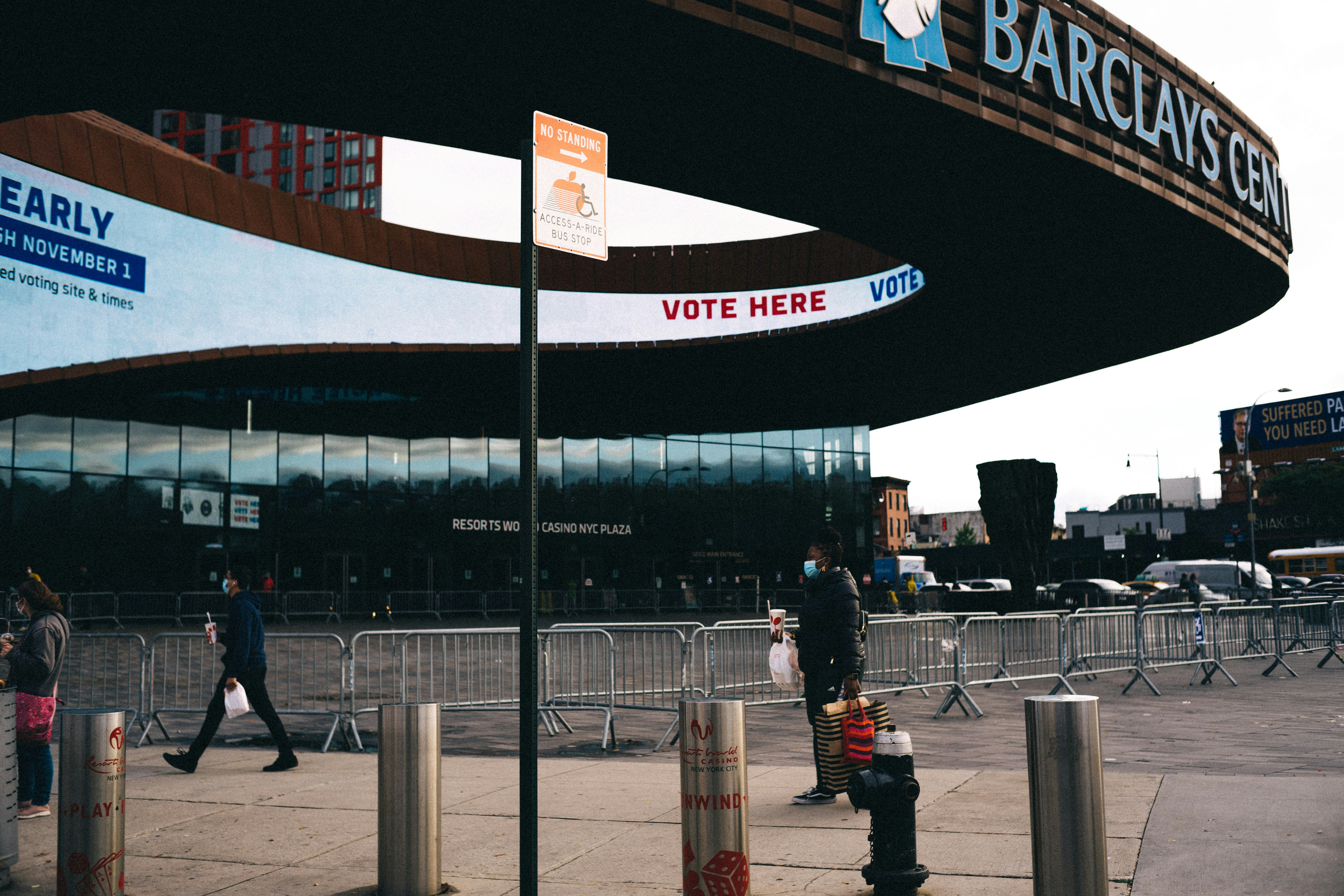
Early voting trends indicate a noteworthy level of engagement among voters, suggesting that New Yorkers are eager to participate in shaping the city’s governance. Higher than usual turnout in early voting reflects a heightened interest in the candidates and their platforms, signaling a competitive election year. As the election date approaches, the dynamics of the candidates’ campaigns will continue to evolve, making the outcomes increasingly unpredictable. The coming months will undoubtedly be crucial in defining the trajectory of New York City’s political future.
Voter Turnout and Engagement
The current mayoral election cycle in New York has witnessed unprecedented levels of voter turnout and engagement, indicating a significant shift in public interest and participation. By noon, reports indicated that approximately 1.2 million ballots had been cast, a figure that has already exceeded the total voter turnout of the previous mayoral election. This surge in participation is indicative of several contributing factors that have galvanized voters and heightened engagement in the electoral process.
Among the primary reasons for this noticeable increase in voter turnout is the focus on key issues that resonate deeply within the community. Topics such as affordable housing, public safety, and health care access are at the forefront of voter concerns this election cycle. Candidates, including Zohran Mamdani, have effectively tapped into these critical subjects, mobilizing constituents who are eager to express their opinions through their votes.
Moreover, efforts to improve voter access have had a significant influence on engagement levels. Initiatives aimed at simplifying the registration process, extending early voting dates, and providing comprehensive information about voting procedures have empowered more individuals to participate. Additionally, grassroots movements and non-profit organizations have played an instrumental role in advocating for voter engagement, encouraging community members to take part in shaping their local governance.
Social media platforms have also emerged as powerful tools for mobilizing voters, particularly among younger demographics. Candidates and advocacy groups utilize these platforms to disseminate information quickly and interactively, fostering a sense of community and urgency around the election.
As the election progresses, the ramifications of this increased turnout will become clearer. The sheer volume of voters casting their ballots signifies a heightened political awareness and a demand for change, making it essential to consider how this engagement will influence the outcomes and future of New York’s leadership.
Implications of the Election Results
The upcoming mayoral election in New York City is poised to have significant implications not only for the city itself but also for national political dynamics. The outcome of this race will likely reshape the power structures within New York, as the elected mayor will have a profound influence on policy decisions across multiple areas, including housing, public safety, and social services. A transformative victory for a candidate like Zohran Mamdani could signal a shift in priorities towards progressive policies, reflecting the desires of a diverse urban electorate.
The implications of the election results extend beyond local governance. As the Democratic Party faces challenges at the national level, the performance of its candidates in key races like New York’s mayoral election can serve as a bellwether for the party’s direction. Should progressive candidates gain traction in such an influential city, it could signal a potential realignment within the party, encouraging more candidates to adopt similar platforms. This shift may also influence Democratic strategies in upcoming elections, leveraging New York’s results as a case study for attracting urban voters.
Additionally, the voter turnout and the demographics of those who cast their ballots will provide valuable insights into the current political landscape. A high turnout among younger and more diverse populations might indicate a growing engagement in the political system, particularly among groups that have felt marginalized in the past. As a result, this election could serve as a precursor for broader national movements, reinforcing the importance of addressing the concerns of urban constituents.
Ultimately, the implications of the mayoral election results could resonate far beyond the borders of New York City, potentially reshaping the strategic roadmap for the Democratic Party and influencing the broader national discourse on progressive governance in urban areas.
Key Issues Influencing Voter Decisions
As New York’s mayoral race progresses, voters are increasingly focused on several pressing issues that could significantly influence their electoral decisions. One of the most prominent concerns is the rising cost of living, which has become a critical challenge for many residents. The combination of soaring housing costs, increases in utility bills, and general inflation is creating a sense of urgency among constituents. Many voters believe that the next mayor must prioritize economic reforms aimed at alleviating financial pressures on households and ensuring affordable living conditions.
Another significant factor shaping voter sentiment is the effectiveness of local governance. Issues such as public safety, education, and infrastructure are receiving heightened attention. Candidates are encouraged to address how they plan to enhance public safety in urban neighborhoods while also committing to improving the quality of public education. Furthermore, the state of public transport and infrastructure remains a vital talking point, particularly as citizens seek solutions to navigate daily commutes and traffic congestion efficiently. These governance issues are directly tied to the quality of life in New York City, making them critical areas for candidates to address in their platforms.
Additionally, the impact of national political polarization cannot be overlooked. This divisiveness is seeping down into local elections, with voters keenly aware of how broader political trends affect community dynamics. Candidates must navigate these polarizing views carefully, balancing progressive and conservative elements to attract a broader voter base. The challenge remains to unify voters around shared local issues rather than allowing national partisan divides to dictate local outcomes. Understanding these complexities is fundamental for candidates like Zohran Mamdani as they position themselves ahead of Election Day.
The What Happened Newsroom is the editorial team behind WhatHappened.online, publishing verified global news and analysis across politics, technology, and current events. Our goal is to keep readers informed with factual, balanced, and timely reporting.
🔍 Read our Editorial Policy to learn how we verify information and correct errors.