Background on Trump’s Greenland Acquisition Interest
President Donald Trump’s interest in acquiring Greenland has historical roots that extend beyond his administration. Greenland, an autonomous territory of Denmark, has long been viewed through a geopolitical lens due to its strategic location within the Arctic region. The island’s vast natural resources and potential for military positioning have drawn the attention of various administrations in the past, albeit without any substantive negotiations.
In the late 19th and early 20th centuries, the U.S. engaged in discussions regarding the purchase of Greenland and its surrounding areas, recognizing their importance for security and trade routes. Proposals in Congress have occasionally surfaced, driven by the belief that control over Greenland could bolster America’s influence in Arctic affairs. Therefore, Trump’s interest could be seen as a final manifestation of a long-standing American fascination with this territory.
The contemporary flare for Trump’s Greenland acquisition aspirations gained prominence in 2019 during an official state visit to Denmark. The President made headlines by expressing a desire to purchase the territory, indicating a strategic motive behind the acquisition. This proposal was met with widespread backlash from Denmark and highlighted the uniqueness of Greenland’s status, which includes strong ties to local governance and cultural identity.
Beyond the immediate transactional approach, the idea of acquiring Greenland also reflects the broader shifts in international relations, particularly regarding climate change and resource exploration in the Arctic. As polar ice caps continue to diminish, access to potential resources such as oil and minerals could redefine global economic landscapes. Thus, Trump’s interest in Greenland was not merely an isolated instance; it was part of larger geopolitical contexts and ongoing discussions about Arctic sovereignty and security.
The Involvement of NATO in the Greenland Deal
NATO’s presence in international diplomacy has become increasingly vital in addressing geopolitical challenges. The discussions surrounding Greenland’s future have sparked interest not only among policymakers but also within the NATO framework. General Secretary Mark Rutte has played a pivotal role in these discussions, particularly concerning the implications of U.S. actions under President Trump’s administration. This relationship underscores NATO’s role as a platform for dialogue and cooperative engagement regarding territorial negotiations and security interests.
Mark Rutte’s agreement with President Trump regarding Greenland highlights a significant diplomatic exchange between the two nations and NATO. The dialogue surrounding the legitimacy of Greenland’s governance and sovereignty reflects broader concerns about territorial integrity in a region of strategic importance. As NATO evolves, the alliance’s ability to mediate and facilitate negotiations is critical in maintaining stability and peace, especially in areas susceptible to external influences.
This engagement has also raised questions about the alignment of NATO member states’ interests. The Greenland discussions serve as a case study in how international cooperation operates within a multi-lateral context. The implications of Rutte’s agreement extend beyond bilateral relations, potentially affecting NATO’s cohesion and collective security commitments. Adjustments in strategy and negotiations may arise as challenges and opportunities emerge in geopolitics.
Moreover, Rutte’s leadership in managing these discussions reflects his commitment to collaborative approaches in furthering NATO’s objectives. The outcome of this arrangement will likely be integral to shaping the future landscape of U.S.-NATO relations, influencing how both entities navigate the complexities of territorial discourse and resource management in the years ahead.
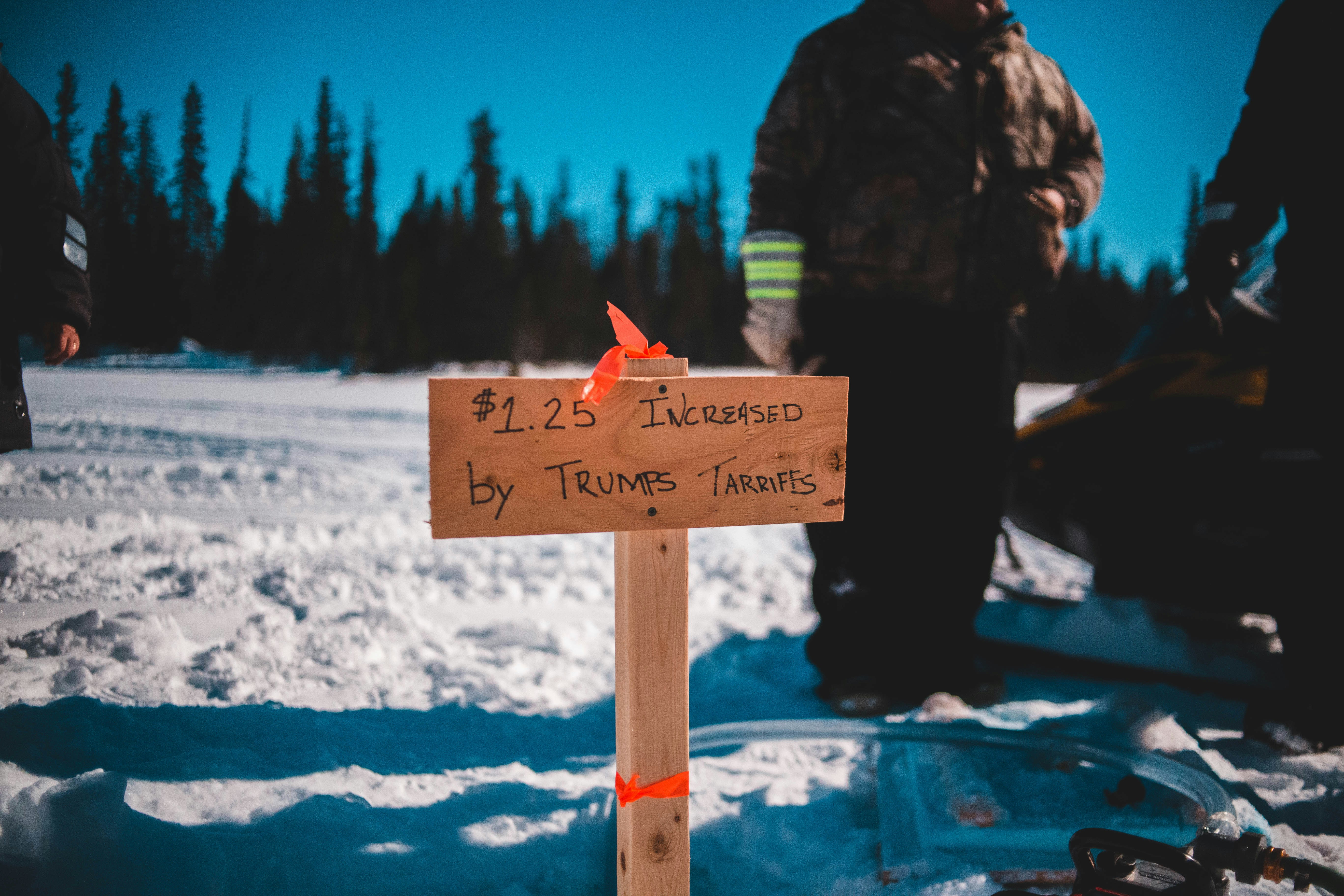
President Donald Trump’s decision to withdraw the tariff threat against eight European nations has significant implications for both economic and diplomatic relations between the United States and the European Union (EU). Initially, the proposed tariffs had generated apprehension among European nations, potentially straining transatlantic ties. By retracting this threat, Trump acknowledges the importance of maintaining strong relationships with EU partners, which could foster a more cooperative atmosphere in future negotiations.
The withdrawal of the tariff threat allows for the possibility of enhanced trade agreements. It signals a willingness to engage in constructive dialogue rather than punitive measures, which can encourage European countries to explore new economic partnerships with the United States. This approach aligns with Trump’s broader strategy of negotiating from a position of strength, emphasizing bilateral talks and careful strategic planning.
Moreover, this decision reflects a nuanced understanding of modern foreign policy negotiations. Trump’s administration has often taken an unconventional approach to diplomacy, balancing economic interests with efforts to strengthen alliances. By stepping back from imposing tariffs, the administration might be positioning itself to pivot toward more collaborative trade discussions that could yield mutual benefits for both the US and its European allies.
Looking ahead, the impacts of this withdrawal can resonate within various sectors, potentially rejuvenating industries that rely on European markets. The overarching message is one of resilience and pragmatism, fitting into a broader narrative of adaptive leadership amid complex global dynamics. While the immediate repercussions of the tariff withdrawal can be seen as a stabilizing force within US-EU relations, the longer-term effects will depend on how effectively both sides leverage this opportunity to advance their economic agendas.
Future of Greenland: What the Deal Framework Could Entail
The proposed framework regarding Greenland’s future presents various potential avenues for governance and international cooperation. It raises essential questions about the role of both the United States and Denmark in shaping the territory’s political and economic landscape. As Greenland continues to attract attention due to its vast natural resources and strategic location, the implications of such a deal could reverberate across multiple domains.
One of the key areas for consideration is resource management. Greenland is believed to have significant deposits of minerals and oil, which have become increasingly appealing given the global push for development. The potential for collaboration between the U.S. and Denmark may involve investing in sustainable practices that prioritize environmental preservation while tapping into these resources. This mutually beneficial scenario could enhance Greenland’s economic autonomy and offer substantial returns for both nations.
Moreover, public sentiment in Greenland will play a pivotal role in determining the framework’s success. While many Greenlanders have expressed a desire for self-governance and increased autonomy, there is also a recognition of the benefits foreign investment could bring. The balance of preserving national identity while welcoming foreign partnerships must be navigated delicately. The potential deal could necessitate public consultations and transparency to ensure that local opinions and traditions are respected.
Additionally, the strategic interests of the U.S. and Denmark regarding Greenland’s geographical significance in the Arctic may shape international relations within this framework. Interests such as security, climate change, and geopolitical dynamics are likely to influence future negotiations. The evolving landscape could foster a cooperative model that aligns with national interests while addressing the needs of Greenland’s populace.

The What Happened Newsroom is the editorial team behind WhatHappened.online, publishing verified global news and analysis across politics, technology, and current events. Our goal is to keep readers informed with factual, balanced, and timely reporting.
🔍 Read our Editorial Policy to learn how we verify information and correct errors.