Introduction to the Escalation
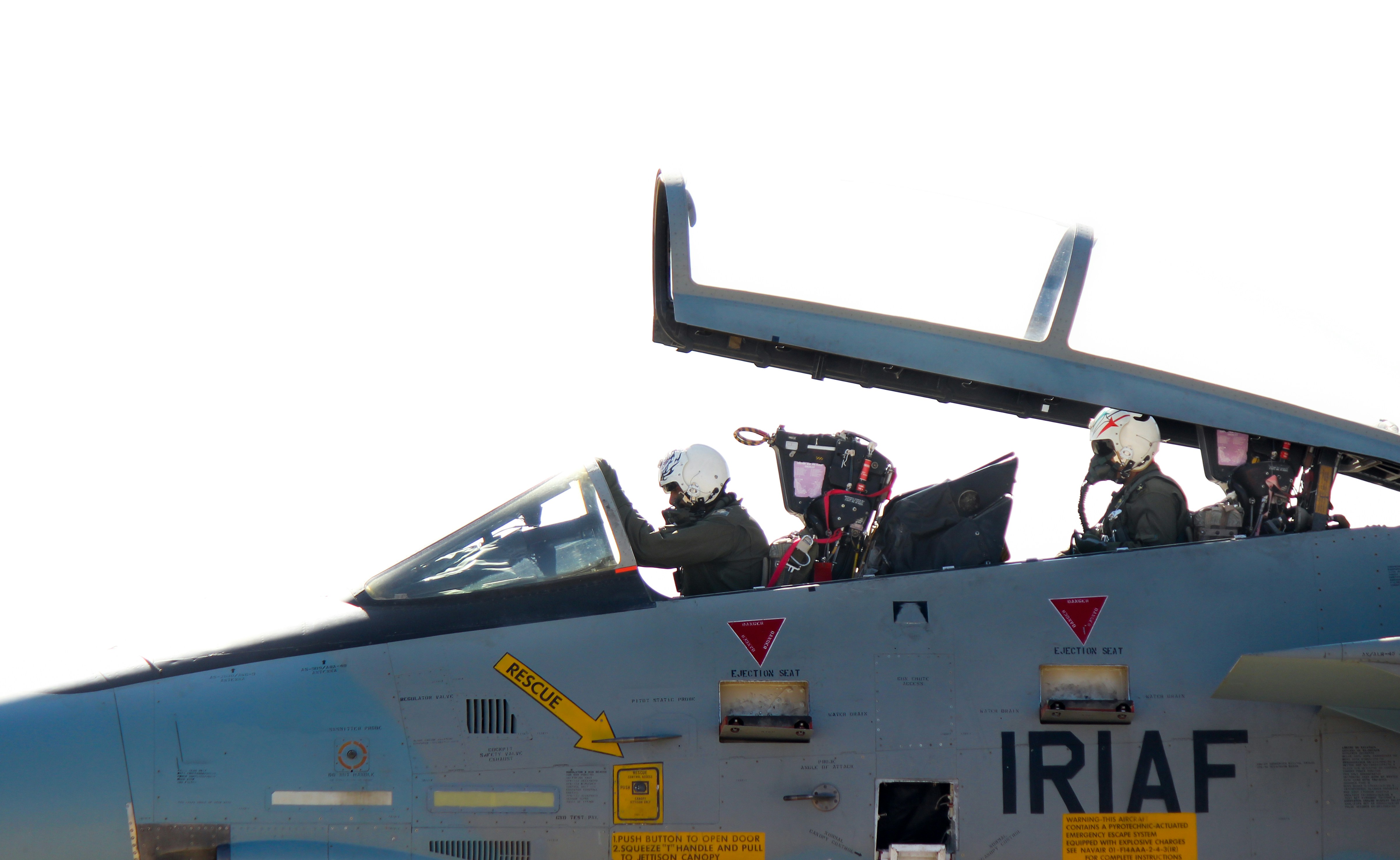
The recent escalation in the Middle East centers on a series of airstrikes conducted by Israel targeting key sites within Iran. This distinct shift in military engagement heightens existing tensions between the two nations, which have a historical backdrop of animosity primarily fueled by Iran’s advancing nuclear program. The recent attacks mark a pivotal moment not only in Israeli-Iranian relations but also in the broader geopolitical dynamics of the region.
Israel has long perceived Iran’s nuclear ambitions as an existential threat, prompting preemptive military actions aimed at curtailing Tehran’s capacity to develop nuclear weapons. The airstrikes focus on facilities believed to be critical in advancing Iran’s nuclear capabilities, thus reflecting an ongoing defensive strategy by Israel. The implications of such military operations extend far beyond the borders of these two nations, as they have the potential to reshape diplomatic relations and evoke responses from other regional and global powers.
Moreover, the timing of these airstrikes coincides with escalating rhetoric from Iranian officials regarding potential retaliation, which further complicates the situation. The international community watches closely as the repercussions of these attacks may unearth a cascade of diplomatic and economic consequences across the globe. Investors and policymakers alike are increasingly aware that escalations between Iran and Israel can lead to instability in oil markets and impact trade flows, given the crucial role that the Middle East plays in global energy supplies.
This complex web of geopolitical tensions can drive volatility in financial markets, with repercussions that may be felt in various asset classes, including stocks, commodities, and currencies. Understanding the backdrop of Israel’s military actions against Iran is essential to grasp the broader implications for both regional dynamics and the global economy.
Immediate Market Reactions
The recent escalation involving Israel’s military actions against Iran has led to immediate and pronounced reactions within global financial markets. As news of the airstrikes broke, European stock markets experienced substantial declines. Indices such as the FTSE 100 in London and the DAX in Frankfurt quickly responded to the heightened geopolitical tensions, reflecting a general unease among investors regarding potential ripple effects on the European economy. This negative sentiment was exacerbated by concerns over energy supplies, given that Iran holds significant influence in the oil market.
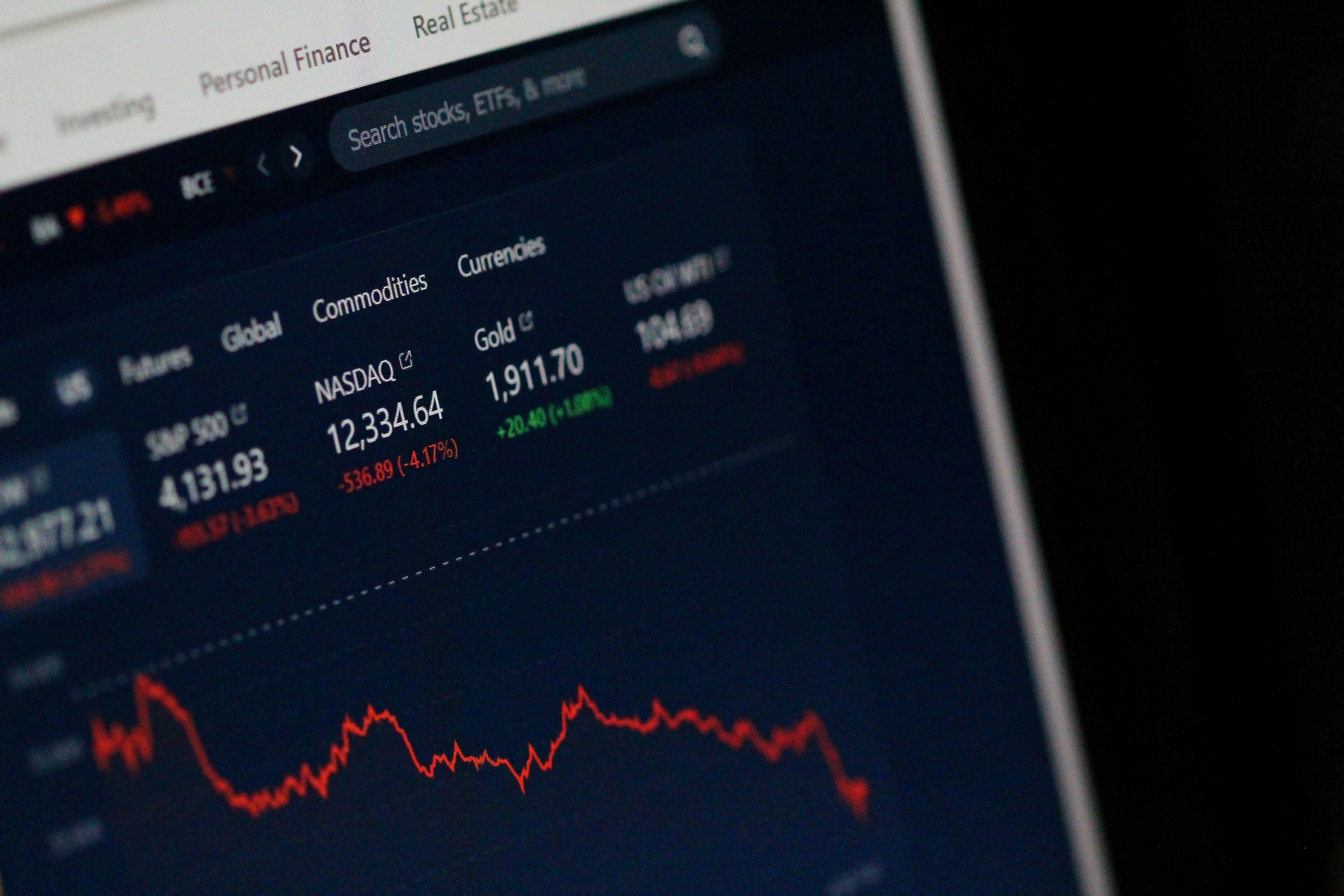
In the U.S., stock futures also indicated a cautious approach as investors began moving away from riskier assets. The Dow Jones Industrial Average and the S&P 500 saw a downward revision as the implications of the conflict became clearer. The uncertainty surrounding potential escalations in military engagement prompted many investors to reassess their portfolios, leading to a shift in strategy that prioritized safer investments.
This atmosphere of risk aversion was further underscored by the observable trends within various asset classes. Safe-haven assets, particularly gold and government bonds, saw increased demand as investors sought to hedge against potential volatility. The price of gold spiked as market participants looked for stability, indicating a significant shift in investor sentiment. Similarly, U.S. Treasury yields fell, as the demand for high-quality government debt surged amidst fears of a broader conflict impacting global economic stability.
Moreover, currency markets reflected the heightened geopolitical tension, with the U.S. dollar strengthening against several major currencies. The move to safety and the potential for increased volatility resulted in a mixed outlook for emerging market currencies, particularly those from nations closely connected to Iran. Overall, these immediate market reactions illustrate the intricate relationship between geopolitical events such as the Iran-Israel dynamic and global financial stability.
Flight to Safety: Trends in Safe-Haven Assets
The term ‘safe-haven assets’ refers to investments that are expected to retain or increase in value during times of market turbulence or economic downturns. Recent conflicts, particularly the tensions between Iran and Israel, have underscored the importance of these assets. Investors often flock to safe-haven assets in response to uncertainty, seeking to mitigate potential losses stemming from geopolitical strife, like the recent escalations involving Iran and Israel.
Gold has historically been a cornerstone of safe-haven investing. During moments of heightened tension, such as the ongoing situation in the Middle East, gold prices tend to surge as traders perceive it as a reliable store of value. The precious metal’s allure lies in its intrinsic worth and its potential to act as a hedge against inflation and currency devaluation. Following the latest incidents between Iran and Israel, there has been a notable uptick in gold purchases, reflecting increased apprehension among investors regarding broader economic implications of conflict.
Government bonds also attract attention during such tumultuous periods. Particularly, U.S. Treasury bonds are viewed as a benchmark for safety, drawing in capital flows from global investors who seek stable returns with minimal risk. The yields on these bonds tend to decrease as demand rises, which is indicative of a flight to safety. This trend was evident shortly after reports of increased military tensions surfaced, showcasing how international market reactions can swiftly shift in response to geopolitical events, including those related to Iran and Israel.
Additionally, currencies such as the Swiss Franc and Japanese Yen often see appreciation during global instability. Investors typically regard these currencies as safe alternatives in uncertain times. The backdrop of escalating concerns surrounding Iran and Israel has led to fluctuations in foreign exchange markets, with a pronounced shift towards these currencies. The interplay of these dynamics reflects a broader narrative where geopolitical conflicts induce significant shifts in investor sentiment and asset allocations.
Long-term Implications and Market Outlook
The recent military actions taken by Israel against Iran have sparked significant concern among market analysts, who are now assessing the long-term implications of these developments on global markets. As geopolitical tensions escalate, particularly in the Middle East, investors are grappling with the potential for wider regional conflicts. Deutsche Bank, among other financial institutions, has highlighted that rising instability in the region could lead to fluctuations in oil prices, affecting global supply chains and inflation rates.
Market reactions to the Israel-Iran conflict could vary widely, depending on the outcomes of ongoing tensions. Analysts warn that an extended conflict may disrupt trade routes and raise the risks associated with foreign investments in the area. Companies with significant exposure to the Iranian economy or those reliant on energy supplies from the region may face increased operational costs and supply chain issues. The ramifications are likely to extend beyond the local arena, influencing markets in Europe, Asia, and beyond.
Furthermore, a cautious sentiment is expected to permeate investor behavior in the coming months. With fears of escalation, there may be a shift towards safer assets, such as government bonds and precious metals, as stakeholders seek to hedge against uncertainty. Recent volatility in equity markets serves as a reminder of how quickly sentiment can change in reaction to geopolitical events. As the situation evolves, investors will need to stay attuned to developments in the Israel-Iran relationship and the broader landscape of Middle Eastern politics.
In conclusion, the long-term outlook on global markets following Israel’s attack on Iran remains fraught with uncertainty. Investors must factor in the potential economic fallout while considering evolving investment strategies to navigate this complex landscape effectively. As analysts continue to monitor developments, proactive engagement with market trends will be essential for informed investment decisions.