The Current Situation at the Pakistan-Afghanistan Border
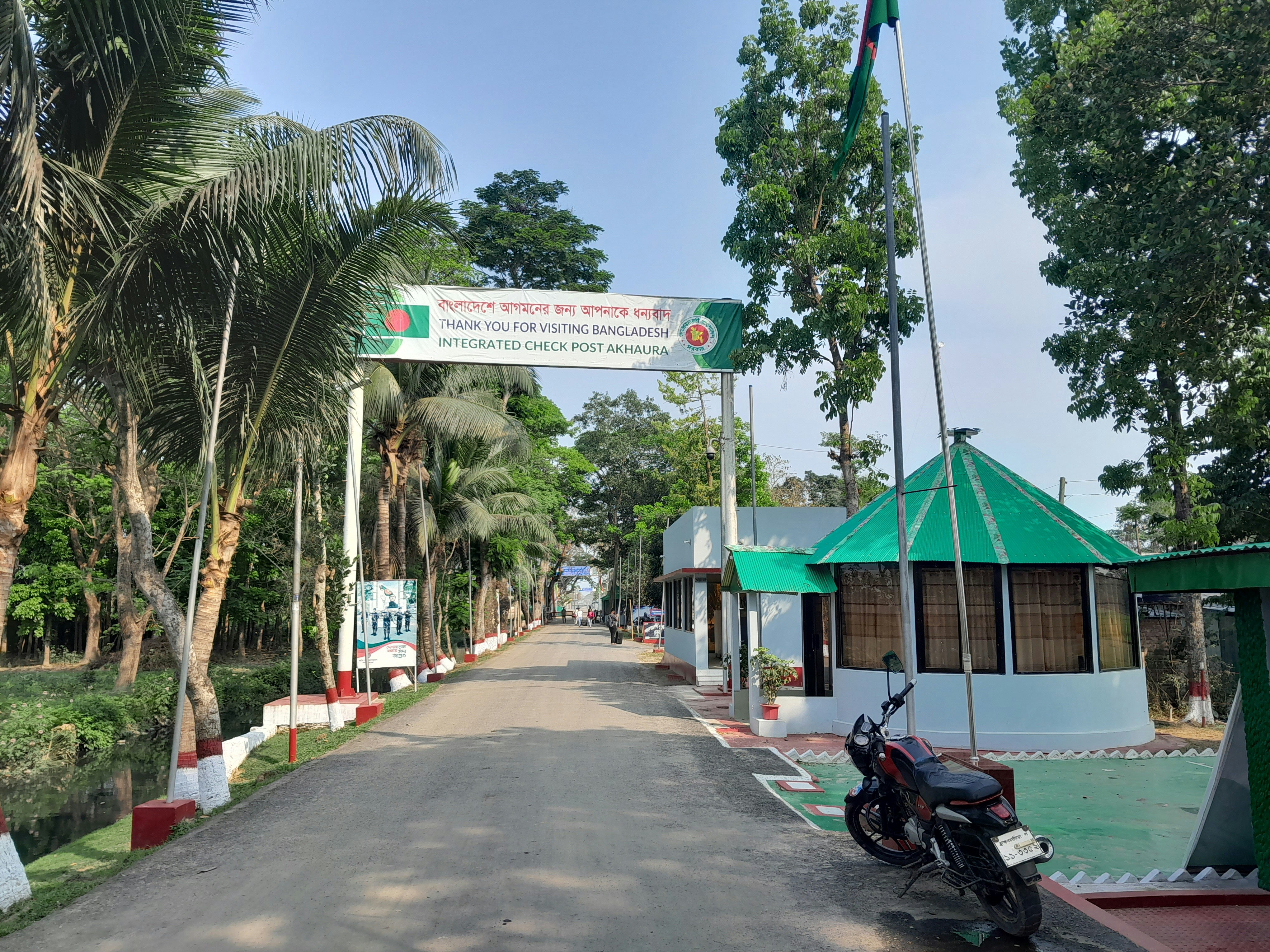
The recent escalation of violence along the Pakistan-Afghanistan border has prompted significant military responses from both nations. The primary locations affected by these clashes include Torkham and Chaman, which serve as crucial border crossings for trade and travel between Pakistan and Afghanistan. The sealing of these crossings is a direct consequence of the intensifying hostilities, marking a pivotal shift in the dynamics of border security in the region.
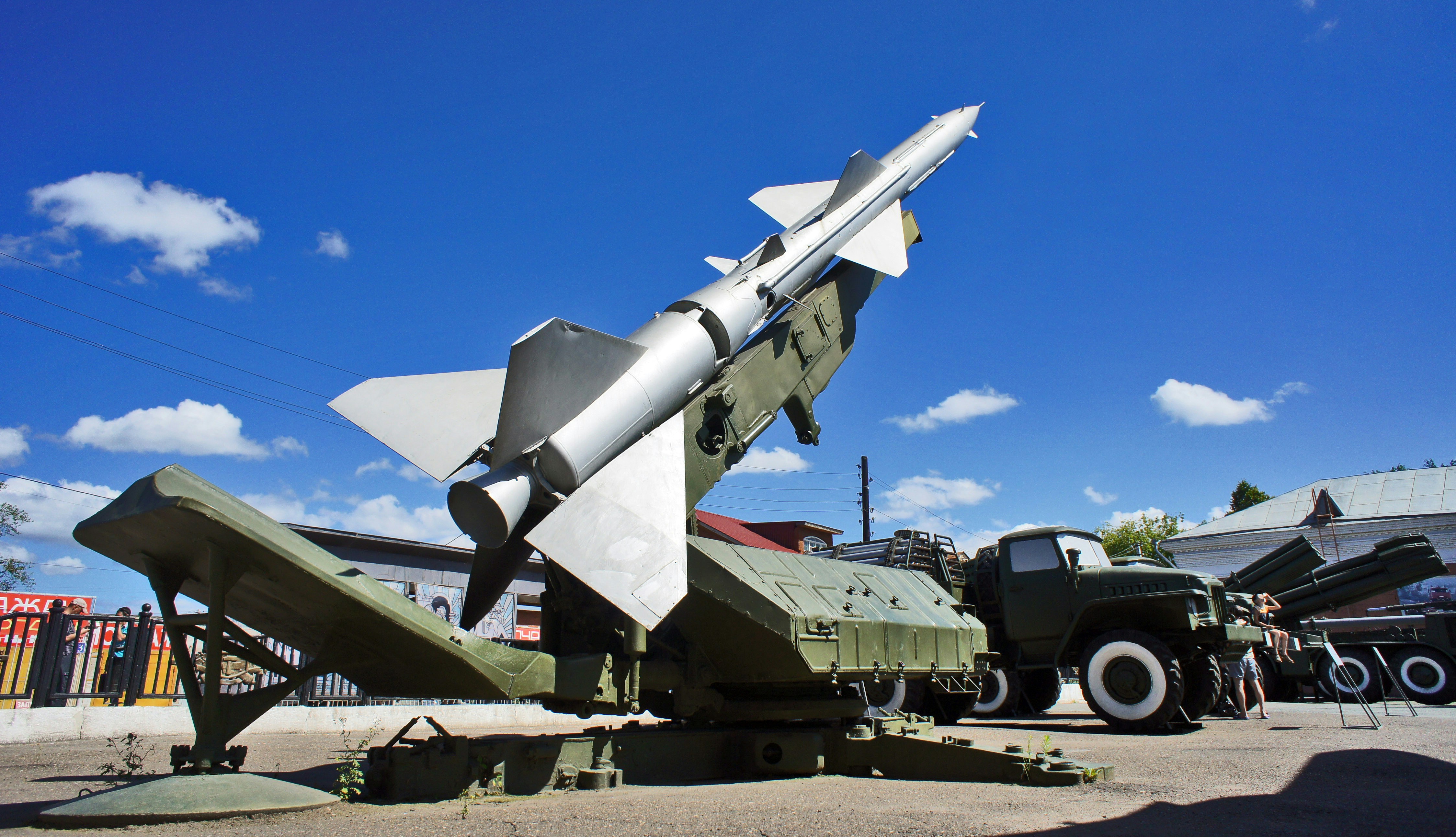
Reports indicate that both Pakistan and the Taliban regime in Afghanistan are involved in considerable military engagement, employing heavy artillery and drone strikes to assert their territorial claims and respond to perceived provocations. The situation has not only resulted in casualties on both sides but also led to heightened tensions that complicate diplomatic negotiations. In recent weeks, skirmishes along the border have been frequent, with combatants reportedly employing a strategy focused on overwhelming displays of firepower.
Furthermore, the intensity of the clashes can be attributed to both sides adopting aggressive postures. The Taliban’s strategy appears to involve consolidating their control over areas near the border, while Pakistan has focused on reinforcing its military presence in response. The consequences of such tactics have been dire, with reports of infrastructure damage and civilian displacement in affected regions.
Both countries earlier engaged in negotiations aimed at reducing border tensions, but recent events have undermined those efforts, pushing them back into a cycle of conflict. The ramifications of sealing the Torkham and Chaman crossings extend beyond military considerations, potentially affecting trade and humanitarian assistance in the region. This ongoing situation underscores the precarious balance of power at the Pakistan-Afghanistan border, where military strategies are continuously evolving as each side seeks to gain the upper hand.
Claims of Damage and Casualties
The recent clashes along the Pakistan-Afghanistan border have elicited a flurry of claims from both Pakistani and Taliban authorities regarding the extent of damage and loss of life. Pakistani officials have reported that border posts sustained significant destruction, asserting that the Taliban’s aggressive maneuvers led to the obliteration of several structures critical for border management and security. This narrative portrays a picture of proactive defense, where Pakistan insists on safeguarding its territorial integrity against perceived external threats.
Conversely, the Taliban have countered these assertions by highlighting casualties within their ranks and declaring that they were engaged in operations to reclaim territory. They have claimed that their offensives are a strategic response to encroachments from Pakistan, leading to their own injuries and fatalities during these intense confrontations. Such statements framed by the Taliban aim to depict their struggle as a legitimate defensive effort against hostile actions perpetrated by Pakistani forces.
Political and Legal Implications
The recent border clashes between Pakistan and Afghanistan have not only heightened tensions but have also raised significant political and legal implications for both nations. These confrontations are set against a backdrop of historical grievances and ongoing disputes concerning border delineation and territorial rights. The situation is further complicated by allegations against Afghan forces concerning attacks that potentially violate principles of international humanitarian law, particularly those protecting civilian populations during armed conflict.
International law plays a vital role in assessing the legitimacy of military engagements and the treatment of non-combatants. The accusations levied against Afghan forces could prompt scrutiny from global organizations, including the United Nations, which has a mandate to uphold human rights and ensure the protection of civilians. If evidence of these claims surfaces, it could lead to calls for accountability and potentially sanctions, putting pressure on the Afghan government to address these violations seriously.
The implications for diplomatic relations between Pakistan and Afghanistan are profound. Heightened military engagements can easily lead to a breakdown in communication, diminishing the prospects for peaceful resolution of conflicts. The potential for diplomatic isolation looms for either side if international actors perceive one country as the aggressor. Consequently, both nations face the challenge of navigating their bilateral relations while managing the perceptions of the international community.
Additionally, responses from foreign governments and international organizations will likely shape the dynamics of the conflict. Countries with vested interests in the region might respond by calling for mediation, while others might adopt a more apprehensive stance, fearing broader instability. As the situation continues to evolve, it is crucial for both nations to seek discourse and negotiations aimed at de-escalation, emphasizing a commitment to adhering to international legal standards to restore peace and stability in the region.
Conclusion: The Path Forward for Pakistan and Afghanistan
As the recent tensions at the Pakistan-Afghanistan border highlight, there is an urgent need for addressing the foundational issues contributing to these clashes. Both nations must recognize that continued skirmishes not only threaten their bilateral relations but also hinder long-term stability in the region. It is vital for Pakistan and Afghanistan to foster a climate of dialogue and collaboration, which could facilitate the development of trust and mutual understanding.
In this context, diplomatic engagement becomes paramount. Both governments should prioritize conversations aimed at addressing the root causes of their disputes. This could include negotiations over border management, resolving issues related to cross-border militancy, and tackling the economic grievances that can lead to unrest. Establishing communication channels and an open forum for dialogue will significantly lower the chances of misunderstandings escalating into violent confrontations.
Equally important is the role of regional and international stakeholders. Countries such as China and the United States, along with organizations like the United Nations, can act as mediators in fostering discussions between the two countries. These entities could provide platforms for dialogue that emphasize mutual benefit and highlight the advantages of a peaceful coexistence. Their involvement would also contribute to alleviating suspicions and might help address fears related to security and sovereignty.
Furthermore, a commitment to addressing underlying socio-economic and political issues is essential. Initiatives focusing on trade, cultural exchange, and community development can build a foundation of goodwill and collaboration. With sustained efforts toward open communication and cooperative strategies, both Pakistan and Afghanistan can envision a future that prioritizes peace and stability over conflict, ultimately benefiting the citizens of both nations.

The What Happened Newsroom is the editorial team behind WhatHappened.online, publishing verified global news and analysis across politics, technology, and current events. Our goal is to keep readers informed with factual, balanced, and timely reporting.
🔍 Read our Editorial Policy to learn how we verify information and correct errors.