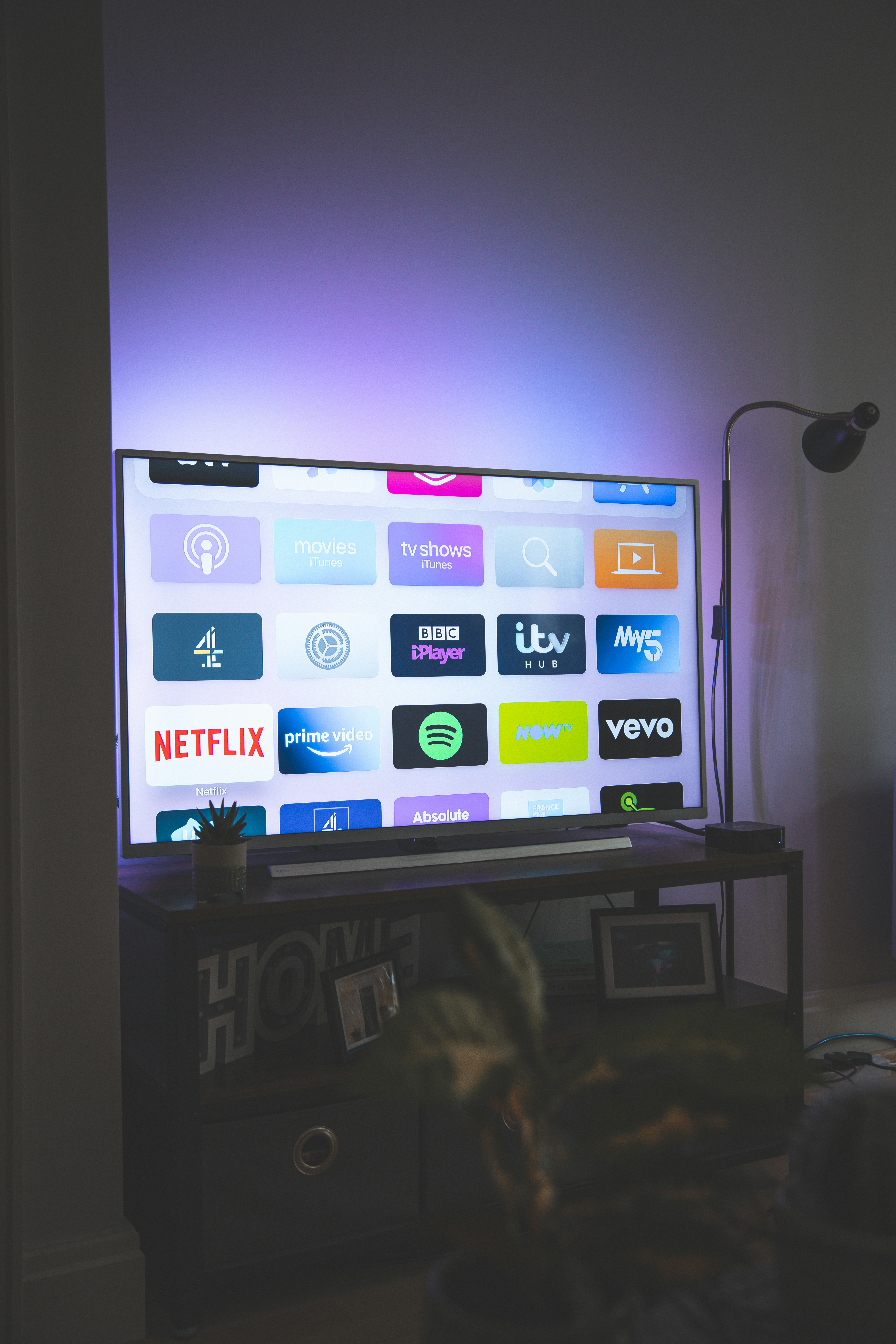
The Deal Overview: A Game-Changer in the Streaming Landscape
The proposed acquisition of Warner Bros. by Netflix, valued at an astonishing $72 billion, represents a pivotal moment in the streaming industry. This monumental deal aims to consolidate two heavyweight players, Netflix and Warner Bros., both formidable entities that possess extensive libraries of content. The strategic motivation behind this merger centers on creating a more compelling content ecosystem that would serve to enhance subscriber offerings, ultimately positioning Netflix as a more dominant force in the ever-competitive landscape of streaming.
Market analysis suggests that this acquisition could alter the dynamics of subscriber growth and retention for both platforms significantly. As of the latest reports, Netflix boasts over 230 million subscribers globally, while HBO Max, the streaming service of Warner Bros., has around 70 million subscribers. The combination of these vast user bases can provide Netflix with an opportunity to cross-sell and promote content more effectively, harnessing the strengths of both libraries to attract new subscribers and retain existing ones.
Industry analysts have weighed in on the potential implications of the Netflix-Warner Bros. amalgamation. They emphasize that this acquisition is not merely a financial transaction, but a transformative step that could redefine competitive boundaries. With increased content variety, including popular franchises and original series, the deal could enhance Netflix’s ability to compete against other rivals such as Amazon Prime Video and Disney+. Furthermore, executives from both companies have expressed optimism about the collaborative potential this deal presents, hoping to leverage Warner Bros.’s expertise in film and television production to generate innovative content for viewers.
As the deadline for regulatory approval approaches, the landscape remains uncertain, yet the acquisition undoubtedly signals a strategic push in the ongoing Netflix and Warner Bros. saga that could leave a lasting imprint on the streaming sector.
Regulatory Scrutiny: The Antitrust Concerns
The acquisition of Warner Bros. by Netflix, valued at $72 billion, has ignited significant regulatory scrutiny. Lawmakers, including prominent figures like Senator Elizabeth Warren, have raised alarms regarding the consolidation of media power that this merger could create. The core of their concerns centers around potential monopolistic practices that may limit competition within the increasingly saturated streaming market.
Historically, the Department of Justice (DOJ) has employed stringent measures during antitrust reviews to assess mergers, particularly when they involve major players in the entertainment industry. Given Netflix’s already substantial influence in the streaming domain, critics argue that uniting forces with Warner Bros. could exacerbate inequalities within media access, stifling competition from smaller entities and raising entry barriers for new players. This scrutiny reflects a broader apprehension about how the combined resources and content libraries of Netflix and Warner Bros. may redefine market dynamics.
The implications of this merger extend beyond corporate interests, aiming to protect consumer choices. Key concerns highlight the potential reduction in diverse content as Netflix may prioritize its interests over a more inclusive approach to programming. Furthermore, as the streaming landscape becomes more concentrated, there could be adverse effects on subscription pricing, ultimately impacting viewers’ access to varied channels and genres. The necessity for a responsible growth strategy in this acquisition process cannot be overemphasized, as it highlights the need for regulatory bodies to ensure fair competition in the market.
As the deal navigates through regulatory waters, the resolution of these antitrust concerns will play a pivotal role in determining its fate. The prospect of Netflix and Warner Bros. amalgamating forces raises critical questions not only about corporate strategy but also about the structure of media consumption in the future, leaving consumers and competitors alike anxious for a resolution.
The Future of Streaming: Industry Impacts Beyond the Deal
The potential acquisition of Warner Bros. by Netflix, valued at a staggering $72 billion, is poised to create significant ripples across the streaming industry. This merger is not merely a transaction; it represents a strategic shift in how content is produced, distributed, and consumed in an increasingly competitive landscape. As Netflix takes this bold step, stakeholders across the sector are closely monitoring the implications it will have on their operational models and market positioning.
One immediate reaction from competitors is likely to be a reevaluation of their content strategies. Rivals such as Amazon Prime Video, Disney+, and Hulu will feel the pressure to expand their own libraries and invest in exclusive, high-quality content to retain subscribers. This could lead to increased content spending across the board, potentially driving up subscription prices as services seek to maintain profitability in the wake of escalating production costs and licensing demands. As Netflix strengthens its position with an esteemed catalog from Warner Bros., the competitive dynamics within the streaming space could shift dramatically.
Furthermore, this acquisition aligns with the broader trend of media consolidation, where companies unite to create robust portfolios that can compete effectively in a crowded market. The growing significance of content ownership becomes evident as firms like Netflix vie not only for subscribers but also for the essential narratives that captivate audiences. Additionally, changing consumer behavior—an inclination towards on-demand and binge-watching services—further emphasizes the importance of a diversified content offering and could shape the strategic vision of streaming platforms moving forward.
As these dynamics play out, the industry can expect a wave of innovative strategies aimed at enhancing viewer engagement and loyalty. The Netflix acquisition of Warner Bros. is not just another business deal; it marks a pivotal moment that may redefine the streaming universe as we know it. The careful observation of these shifts will offer valuable insights into the evolving patterns of consumption and the future of digital entertainment.
Timeline to Closing: Expectations and Next Steps
The projected timeline for the completion of Netflix’s $72 billion acquisition of Warner Bros. spans approximately 12 to 18 months, highlighting the multifaceted nature of this significant merger. As the two entertainment giants embark on this journey, several critical steps must be taken to navigate the complex landscape of regulatory approval.
Initially, Netflix and Warner Bros. will need to submit detailed proposals to various regulatory bodies for review. This submission will include strategic plans outlining how the merger aligns with antitrust regulations and promotes competitive practices within the industry. Regulatory scrutiny is expected to be intense, particularly in light of the growing concerns regarding market consolidation and the potential impact on consumer choice. The companies may need to prepare for public hearings, where both sides must clearly articulate the benefits of the merger to consumers and the overall market.
Negotiations may also be on the horizon. In anticipation of potential regulatory pushback, Netflix and Warner Bros. could proactively engage in discussions to offer concessions aimed at alleviating concerns. This could involve divesting certain assets or compromising on content library access to ensure compliance with regulatory standards. It is crucial for both parties to maintain transparent communications with stakeholders throughout this process to reinforce confidence in the merger’s long-term benefits.
As the timeline progresses, implications for the companies involved will become more evident. Stakeholders will be keenly observing the impacts on operational efficiencies, content offerings, and subscription pricing. Moreover, consumers may experience a shift in the availability and diversity of content across platforms. Ultimately, this merger represents a significant turning point in the streaming landscape, underscoring the importance of adaptability and strategic planning throughout the timeline to closing.
The What Happened Newsroom is the editorial team behind WhatHappened.online, publishing verified global news and analysis across politics, technology, and current events. Our goal is to keep readers informed with factual, balanced, and timely reporting.
🔍 Read our Editorial Policy to learn how we verify information and correct errors.