Millions Join “No Kings” Protests Across the U.S. in Powerful Show of Public Dissent
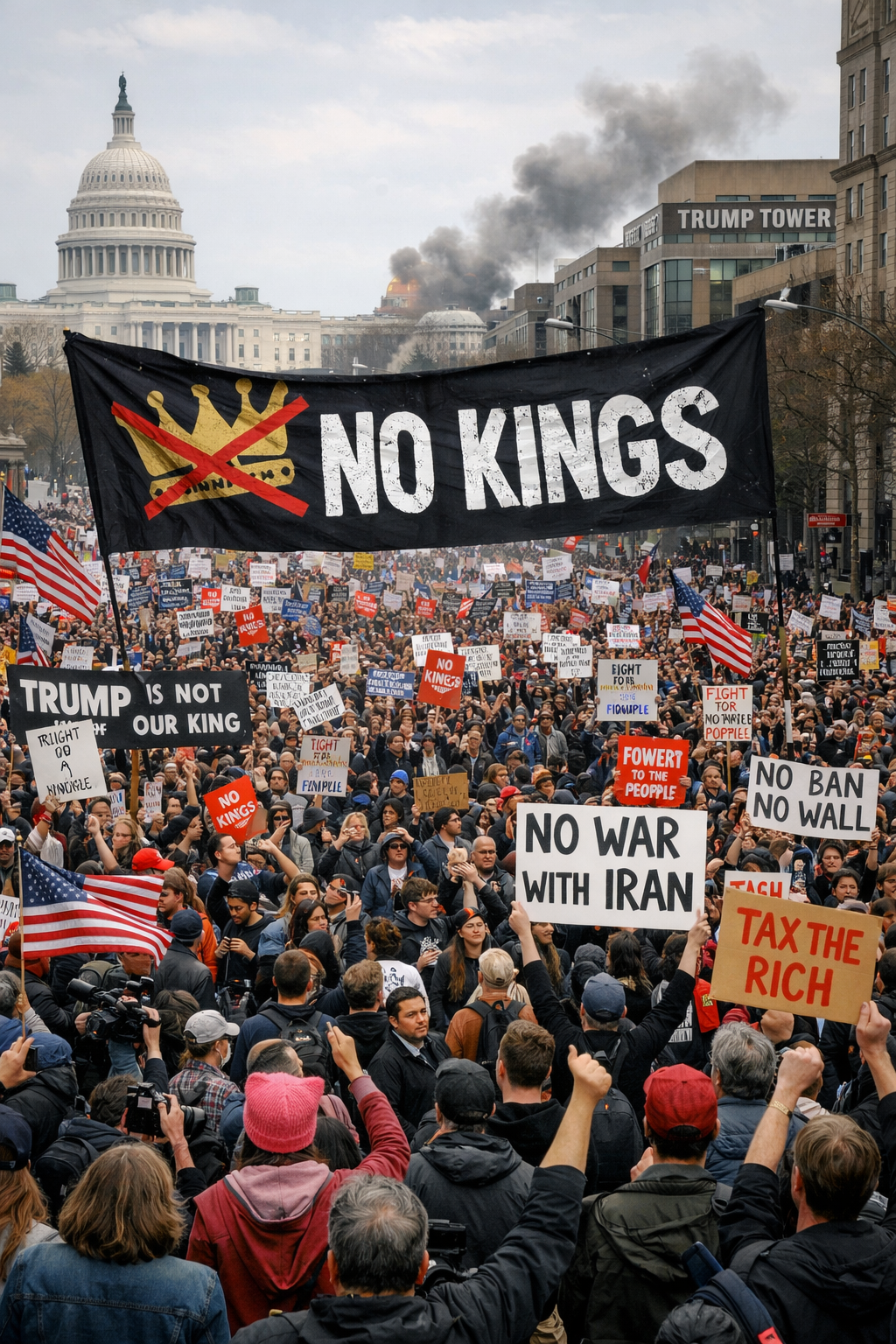
The streets across the United States filled with energy, frustration, and determination this weekend as millions of people gathered for the latest wave of No Kings protests. What started as a movement has now grown into a powerful nationwide voice, with people from all walks of life stepping out to make one thing clear—they want to be heard.
From the busy avenues of New York City to the wide streets of Los Angeles, and from Chicago’s downtown to Washington, D.C., crowds showed up in huge numbers. Organisers estimate that more than 8 million people participated, making it one of the largest protest movements in recent times.
But this wasn’t just about numbers. It was about emotions, lived experiences, and growing concerns that many Americans say have been building for years.
Why People Are Protesting
The No Kings protests are driven by a mix of political and economic frustrations. Many protesters say they are worried about the direction the country is heading under President Donald Trump’s leadership.
Key concerns include rising tensions with Iran, strict immigration enforcement, and the increasing cost of living. For many families, everyday expenses—from groceries to housing—have become harder to manage, adding to the sense of urgency behind the protests.
One protester in Chicago summed it up simply: “This isn’t just politics anymore. This is about how we live, how we survive.”
Voices from the Streets
Walking through the crowds, you could see handmade signs, bold slogans, and people passionately sharing their stories. Messages like “No Kings,” “Power Belongs to the People,” and “Democracy Over Control” stood out, reflecting the core message of the movement.
For many, the phrase “No Kings” represents a rejection of what they see as concentrated power. Organisers didn’t hold back in their statement, saying, “This country was never meant to be ruled by one person acting like a king. Power belongs to the people—not to billionaire elites or political figures who forget that.”
There was also a strong sense of unity. People from different backgrounds—students, workers, families—stood side by side, showing that the movement goes beyond political labels.
The Government’s Response
Despite the massive turnout, the White House dismissed the protests. A spokesperson referred to them as “Trump Derangement Therapy Sessions,” suggesting that the demonstrations were being amplified by media attention rather than genuine public concern.
That response, however, has only fueled more conversation online and among protestors, with many arguing that dismissing millions of voices only deepens the divide.
What This Means Going Forward
The scale of the No Kings protests sends a clear signal: a significant portion of the population is engaged, concerned, and willing to take action. Whether or not these demonstrations lead to policy changes, they reflect a growing movement that is unlikely to fade anytime soon.
For now, the images of crowded streets, raised signs, and passionate voices tell their own story—a story of people standing up, speaking out, and reminding those in power that, in a democracy, the final word belongs to the public.
If the momentum continues, the No Kings protests could become a defining moment in modern American political activism—one that shapes conversations not just in the U.S., but around the world.
The What Happened Newsroom is the editorial team behind WhatHappened.online, publishing verified global news and analysis across politics, technology, and current events. Our goal is to keep readers informed with factual, balanced, and timely reporting.
🔍 Read our Editorial Policy to learn how we verify information and correct errors.