A brutal winter storm has gripped large parts of the United States, leaving devastation in its wake. With at least 20 confirmed deaths, widespread power outages, and flight cancellations disrupting holiday travel, the storm has quickly become one of the most severe weather events of the season.
The Human Toll
City Hall in New York confirmed to CBS News that eight people died in the city over the weekend. Officials emphasized that while the storm’s timing coincided with the fatalities, it is still too early to definitively attribute all of the deaths to the cold weather.
The timeline of tragedy paints a grim picture:
- Friday night: Six individuals were found dead.
- Saturday night: One more victim was discovered.
- Sunday night: Another life was lost.
The NYPD has launched investigations into seven of these deaths, seeking to understand the circumstances and whether exposure to extreme cold played a role.
City Hall added in a statement that several of the deceased had previously been in contact with homeless shelters or street outreach services, highlighting the vulnerability of unhoused populations during extreme weather events.
Power Outages and Travel Chaos
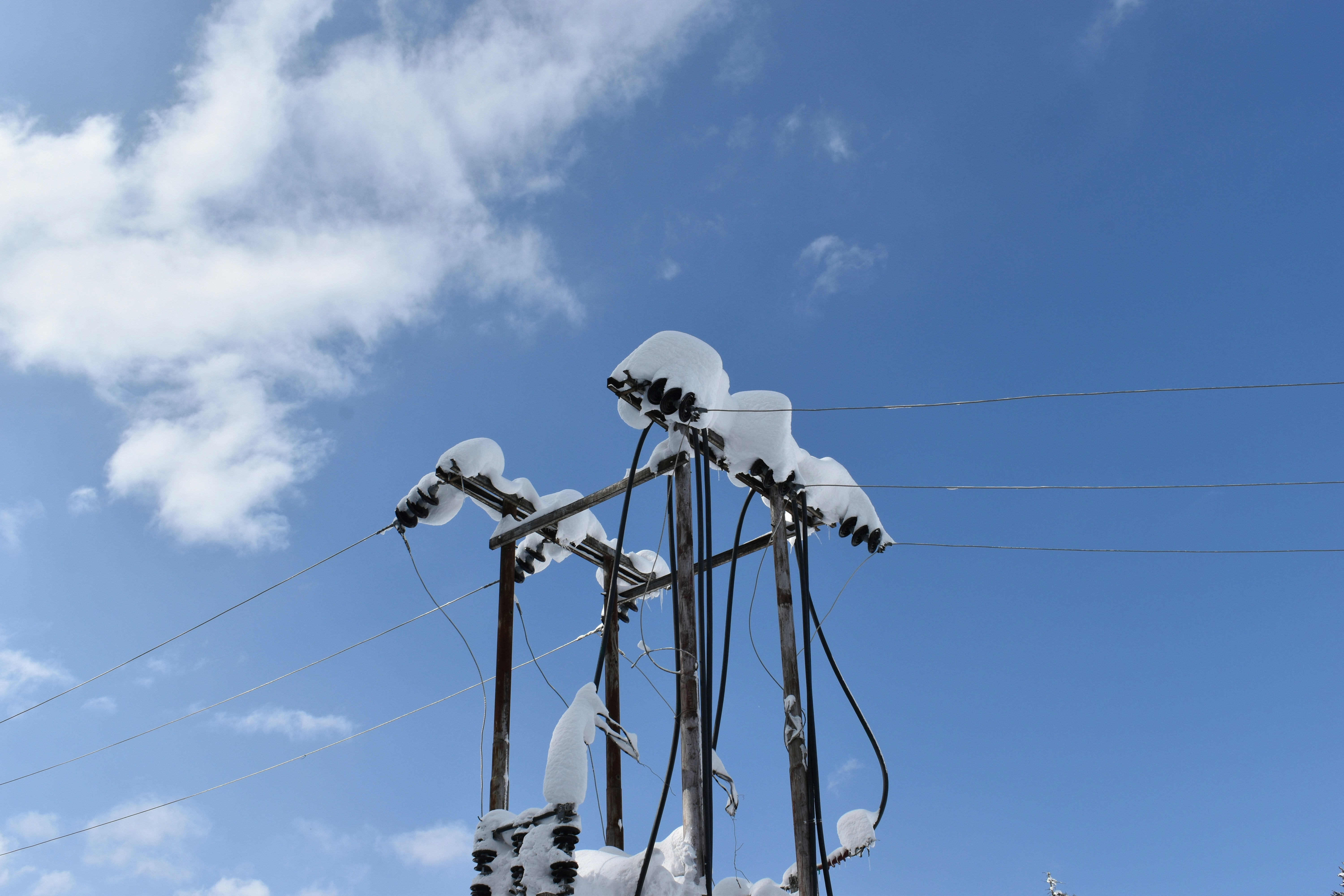
Beyond the human toll, the storm has wreaked havoc on infrastructure. Tens of thousands of households across multiple states have been left without electricity, forcing families to endure freezing temperatures without heat. Utility companies are working around the clock to restore power, but icy conditions and downed lines have slowed progress.
Air travel has also been paralyzed. Hundreds of flights were canceled nationwide, stranding passengers and disrupting holiday plans. Major airports in New York, Chicago, and Boston reported cascading delays as crews struggled to de-ice planes and clear runways.
For many travelers, the storm has been more than an inconvenience — it has meant missed family gatherings, lost work opportunities, and unexpected expenses.
Vulnerable Communities at Risk
The storm’s impact has been felt most acutely among vulnerable populations. Homeless individuals, already at risk during winter months, face life-threatening exposure when shelters reach capacity or when outreach services cannot keep pace with demand.
City Hall’s acknowledgment that several victims had prior contact with shelter services underscores the systemic challenges of protecting unhoused residents during extreme weather. Advocates are calling for expanded emergency shelter capacity and better coordination between city agencies and nonprofit organizations.
Elderly residents and those with chronic health conditions are also at heightened risk. Cold weather exacerbates cardiovascular and respiratory problems, and power outages can leave medically vulnerable individuals without access to necessary equipment.
Historical Context
Winter storms are not uncommon in the United States, but the scale and severity of this event have drawn comparisons to past disasters. Meteorologists note that climate change may be contributing to more volatile weather patterns, with storms intensifying more quickly and affecting wider regions.
In recent years, extreme cold snaps have been linked to disruptions in the polar vortex, a circulation of strong winds high in the atmosphere that, when destabilized, can send frigid air plunging southward. While scientists caution against attributing any single storm directly to climate change, the broader trend of increasingly erratic weather is undeniable.
Emergency Response
Local and state governments have mobilized emergency resources to respond to the crisis. Warming centers have been opened in affected cities, offering temporary refuge for residents without heat. National Guard units have been deployed in some states to assist with rescue operations and transportation.
In New York, Mayor’s Office officials urged residents to check on neighbors, particularly the elderly and those living alone. “Community vigilance can save lives,” one spokesperson said.
Meanwhile, hospitals have reported an uptick in cases of frostbite and hypothermia, underscoring the storm’s medical impact.
Stories from the Ground
Behind the statistics are human stories of resilience and hardship. In Buffalo, families huddled together under blankets as they waited for power to be restored. In Queens, a man described trudging through knee-deep snow to bring food to his elderly mother, who had been without electricity for two days.
Travelers stranded at airports shared tales of frustration and camaraderie. One group of passengers in Boston reportedly pooled resources to rent a van and drive through the storm to reach their destination.
For many, the storm has been a reminder of both the fragility of modern infrastructure and the strength of community bonds in times of crisis.
Looking Ahead
Meteorologists warn that the storm’s effects may linger for days, with frigid temperatures expected to persist and additional snowfall possible in some regions. Utility companies are racing against time to restore power before another cold front arrives.
Airlines are working to rebook stranded passengers, though backlogs may take several days to clear. Officials are urging residents to limit travel, conserve energy, and prepare for continued disruptions.
Lessons Learned
As the nation grapples with the aftermath, questions are being raised about preparedness and resilience. Could more lives have been saved with better shelter coordination? Were utility companies adequately equipped to handle widespread outages?
Experts argue that extreme weather events are becoming more frequent and more severe, demanding stronger infrastructure, more robust emergency planning, and greater investment in community resilience.
Conclusion
The deadly winter storm has left a trail of tragedy and disruption across the United States. With 20 lives lost, countless families affected, and vulnerable communities bearing the brunt of the crisis, the event serves as a stark reminder of nature’s power and society’s responsibility to protect its most at-risk members.
As investigations continue and recovery efforts unfold, the storm will likely be remembered not only for its immediate devastation but also for the broader questions it raises about climate resilience, social safety nets, and the collective ability to weather the storms of the future.
The What Happened Newsroom is the editorial team behind WhatHappened.online, publishing verified global news and analysis across politics, technology, and current events. Our goal is to keep readers informed with factual, balanced, and timely reporting.
🔍 Read our Editorial Policy to learn how we verify information and correct errors.