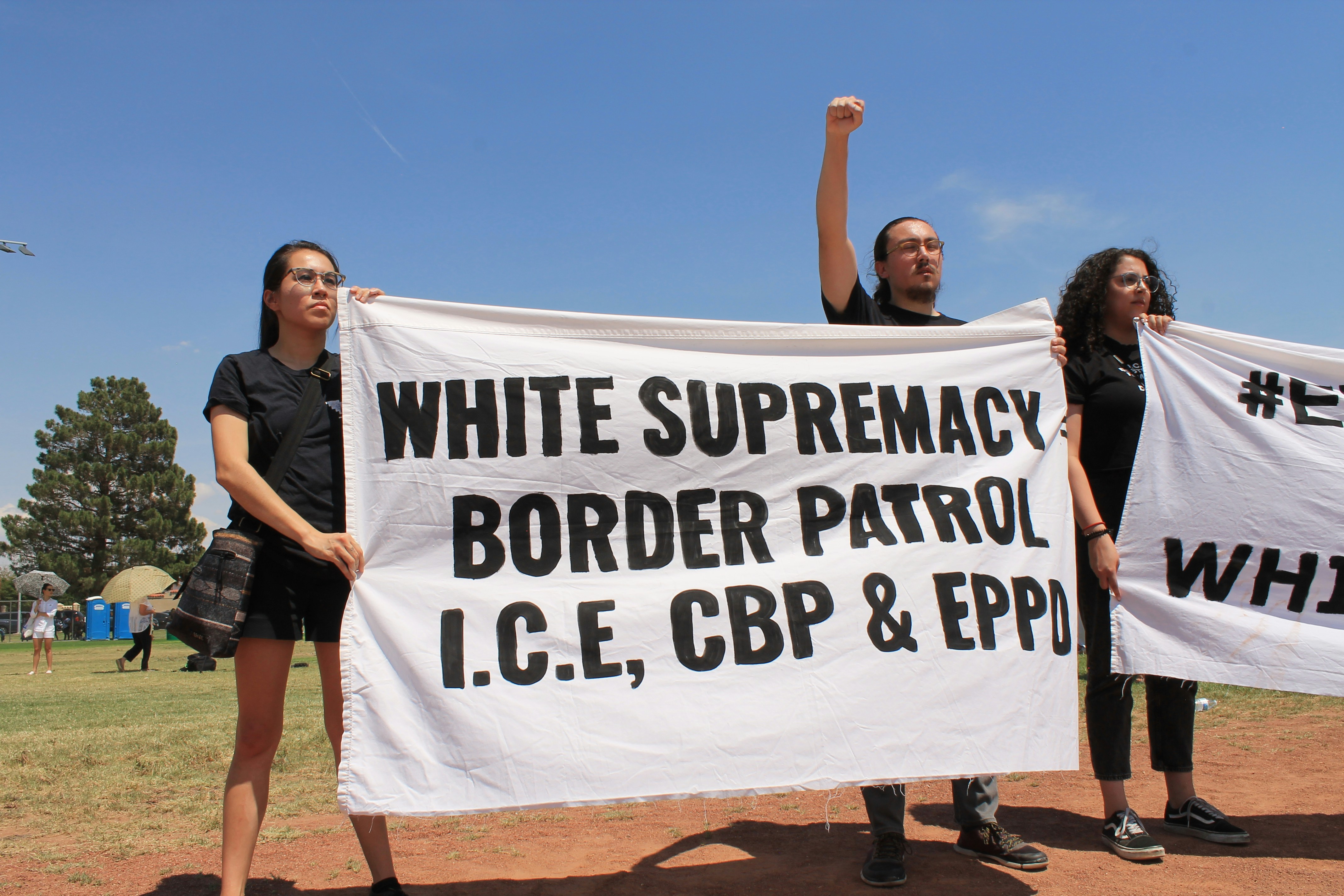
Understanding Birthright Citizenship
Birthright citizenship is a legal principle that grants automatic citizenship to individuals born on the territory of a nation, regardless of the citizenship status of their parents. In the United States, this concept is primarily rooted in the 14th Amendment to the Constitution, ratified in 1868. The relevant clause states, “All persons born or naturalized in the United States, and subject to the jurisdiction thereof, are citizens of the United States.” This provision was designed to ensure that formerly enslaved individuals and their descendants were granted full citizenship rights after the Civil War.
Historically, the establishment of birthright citizenship can be traced back to English common law, which influenced American legal foundations. This principle was reaffirmed in the Supreme Court case of United States v. Wong Kim Ark in 1898, which confirmed that children born in the U.S. to non-citizen parents were entitled to citizenship. Over the years, the interpretation of this citizenship right has evolved, yet the core tenet remains that being born on U.S. soil automatically confers citizenship. This has had significant implications for various groups, particularly immigrant families, who may face challenges due to the complex nature of immigration laws.
The significance of birthright citizenship extends beyond individual rights; it plays a crucial role in the wider immigration debate. Proponents argue that it fosters inclusivity and strengthens the social fabric of the nation by relying on the principle that all individuals, regardless of their background, hold equal rights as citizens. Conversely, critics contend that it may incentivize illegal immigration, presenting challenges to national sovereignty and security. Overall, the implications of birthright citizenship continue to spark discussions on identity, legal rights, and the future of immigration policy in America.
Trump’s Executive Order and Its Controversies
In a significant move, President Donald Trump issued an executive order aimed at abolishing birthright citizenship, a policy that had been firmly established in the United States since the Fourteenth Amendment’s ratification in 1868. The executive order sought to redefine who qualifies for citizenship, particularly targeting children born in the U.S. to undocumented immigrants. The core contention of Trump’s directive is its assertion that the current interpretation of the citizenship clause is overly broad and contributes to what he termed as “anchor babies,” a term used to describe children who could potentially secure legal residency for their undocumented parents.
The immediate repercussions of this executive order were felt across various sectors of society. Legal experts and immigrant advocacy groups expressed deep concerns regarding the implications of such a dramatic policy shift. Critics argued that the move could lead to extensive legal battles, as many believed it directly contradicted the constitutional guarantees already in place. Additionally, the order has been met with fierce opposition from various political figures, who contend that altering the birthright citizenship principle would undermine fundamental human rights and set a dangerous precedent.
Reactions varied significantly among stakeholders. While supporters of the executive order hailed it as a necessary measure to protect American resources and enforce immigration laws, opponents raised alarms about potential discrimination and human rights violations. Political leaders across the spectrum criticized the move as an attempt to galvanize his base ahead of the upcoming elections, thereby intensifying an already charged political atmosphere. In the wake of this controversial executive order, legal scholars and civil rights advocates stressed the importance of upholding citizenship rights inherent to the U.S. legal framework, leaving questions about the future of birthright citizenship open for discussion.
Legal Challenges Against the Executive Order
The issuance of President Trump’s executive order aimed at limiting birthright citizenship sparked a series of legal battles across the United States, igniting debates over the constitutional interpretation of the 14th Amendment. Various advocacy groups and state officials quickly mobilized to challenge the legality of the order, describing it as an overreach of executive authority and a direct violation of established constitutional principles.
Lower courts responded to the executive order with an array of rulings that underscored the complexities surrounding birthright citizenship. The argument against the order typically revolved around the assertion that birthright citizenship is a fundamental right enshrined in the Constitution, and any attempt to curtail it would undermine decades of legal precedent. Opponents of the order emphasized that denying citizenship based on the immigration status of a child’s parents would set a problematic legal framework, leading to widespread confusion and potential discrimination.
On the other hand, proponents of the executive order argued that it was a necessary measure designed to address concerns regarding immigration and citizenship laws. They contended that allowing automatic citizenship to children of undocumented immigrants could encourage illegal immigration. However, this viewpoint faced significant backlash in court as judges deliberated over constitutional rights and legal interpretations. Higher courts, including appellate courts, often cited the longstanding principle that citizenship is conferred at birth to those born on U.S. soil, irrespective of parental immigration status.
The resulting injunctions from numerous federal judges highlighted the inherent tension between immigration policy and constitutional guarantees of citizenship. These rulings left the status of birthright citizenship in America in a state of flux, as legal battles continued to wind their way through the court system. The implications of these challenges are poised to not only shape current policies but also define the future of birthright citizenship for generations to come.
The Supreme Court’s Upcoming Decision
The Supreme Court is currently poised to deliver a significant ruling regarding the legality of an executive order that has the potential to alter the landscape of birthright citizenship in the United States. The justices will evaluate not only the constitutional foundation of the executive action but also its implications for the established principles of citizenship. This ruling could have far-reaching effects on how birthright citizenship is interpreted and applied to individuals born on U.S. soil, regardless of their parents’ immigration status.
In this case, the court will consider multiple factors, including the original intent of the 14th Amendment, which guarantees citizenship to all persons born or naturalized in the United States. The justices are likely to examine historical precedents and contemporary legal arguments surrounding the citizenship rights of children born to undocumented immigrants, as well as the government’s authority to mandate changes to birthright citizenship through executive means. The outcome of this decision is expected to carry significant weight, potentially influencing future immigration policies and shaping the discourse surrounding citizenship rights within American society.
Experts are divided on what the implications of the court’s ruling could be. Some believe that a favorable decision for the executive order may lead to a redefinition of citizenship rights, potentially creating a gap in protections for certain populations. Conversely, others argue that the justices may uphold the established practice of birthright citizenship, thereby reinforcing the long-standing legal precedents. The consequences of this ruling extend beyond legal boundaries; they touch the lives of immigrant populations, affecting their integration into American society and prompting a reevaluation of how citizenship is understood fundamental to the U.S. democratic framework.
Ultimately, the anticipation surrounding the Supreme Court’s decision underscores the ongoing debate about birthright citizenship and its implications for millions of individuals living in the United States. How the justices approach this critical issue will likely set the stage for future discussions and policies regarding immigration, citizenship, and national identity.

The What Happened Newsroom is the editorial team behind WhatHappened.online, publishing verified global news and analysis across politics, technology, and current events. Our goal is to keep readers informed with factual, balanced, and timely reporting.
🔍 Read our Editorial Policy to learn how we verify information and correct errors.