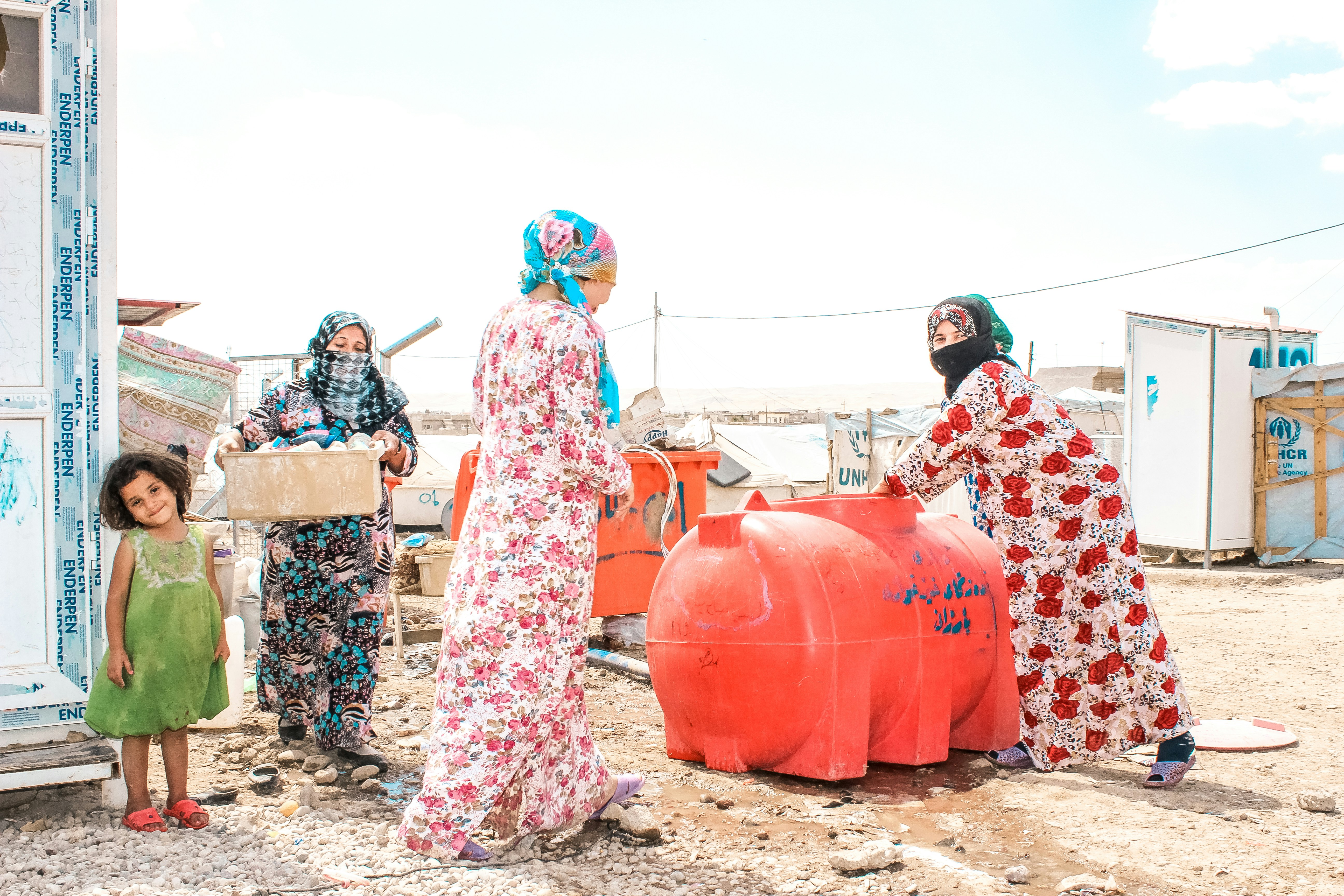
Overview of the Cholera Outbreak
The cholera outbreak in the Democratic Republic of the Congo (DRC) has emerged as a critical humanitarian crisis, marked by an alarming escalation in the number of cases and fatalities. Since its resurgence in early 2023, the outbreak has grown to become one of the most severe cholera incidents the country has witnessed in the last 25 years. As of October 2023, health authorities have reported over 100,000 confirmed cases of cholera, along with a distressing death toll exceeding 3,000 individuals. These statistics underline the urgent need for effective response measures and public health interventions.
Geographically, the outbreak has predominantly affected the eastern regions of the DRC, particularly provinces such as North Kivu and Ituri. These areas have faced compounded challenges due to ongoing conflict, displacement of populations, and a lack of access to clean water and sanitation facilities. The displacement exacerbates the situation, as internally displaced persons (IDPs) often reside in overcrowded conditions, which facilitate the rapid transmission of cholera and other diseases.
The causes of this outbreak are multifaceted, with water contamination playing a significant role. The DRC continues to grapple with an inadequate water supply system and poor sanitation infrastructure, which have resulted in the contamination of drinking water sources. Additionally, seasonal flooding has further contaminated these resources, thus heightening the risk for cholera transmission. Furthermore, limited healthcare access and public awareness regarding hygiene practices contribute to the persistence and spread of this deadly disease.
The cholera crisis in the DRC presents a complex public health challenge that requires immediate attention from both national authorities and international organizations. Enhanced efforts focused on improving water and sanitation conditions, alongside comprehensive health education initiatives, are paramount to effectively combat this ongoing outbreak.
Impact on Children and Education
The cholera outbreak in the Democratic Republic of the Congo (DRC) has significantly impacted the lives of children, who are among the most vulnerable populations during health crises. Recent reports indicate that children account for a substantial proportion of cholera cases, with thousands affected and many fatalities recorded. Young children, particularly those under five years of age, are at heightened risk due to their developing immune systems and lower body weight, making them more susceptible to severe dehydration caused by cholera. This vulnerability necessitates urgent intervention to prevent long-term developmental repercussions.
Moreover, the ongoing cholera crisis has severely disrupted children’s education across the nation. In response to the rising number of cases, many schools have been forced to close or modify their operations, leaving children without access to learning environments. This has created a staggering decline in educational opportunities, with children losing valuable instructional time and potentially dropping out of school entirely. The interruption of their education can have cascading effects that hinder their future prospects and overall wellbeing.
The psychological toll of the cholera crisis on children and their families cannot be underestimated. Exposure to illness and the fear of disease significantly impact children’s mental health, manifesting in anxiety, depression, and social withdrawal. Furthermore, families facing the loss of a child or the illness of a family member experience increased stress and economic hardship, compounding the challenges for surviving children who may have to assume caretaking roles at a young age. This dual burden of health risks and educational disruptions highlights the urgent need for comprehensive humanitarian efforts to address both the immediate health crisis and its underlying effects on children’s education and mental health.
Health Risks and Challenges for Families
The ongoing cholera outbreak in the Democratic Republic of the Congo (DRC) presents severe health risks and challenges that significantly affect families. Cholera, an acute diarrheal disease caused by the ingestion of contaminated water or food, exacerbates the already fragile healthcare system in the DRC. The strain on healthcare resources not only hampers the response to cholera but also limits access to essential medical care for other health conditions. Families affected by cholera often find it difficult to receive timely treatment due to overburdened facilities and limited healthcare personnel, further compounding the crisis.
Additionally, the cholera outbreak contributes to an increased risk of malnutrition. As families struggle to cope with the impact of the disease, many may find it challenging to maintain adequate nutrition, resulting in weakened immune systems and greater susceptibility to other communicable diseases. Children are particularly vulnerable in these situations, as malnutrition can lead to stunted growth and long-lasting health problems.
Several socio-economic factors intensify the health vulnerabilities faced by families in the DRC. High poverty rates force many families to live in overcrowded conditions with limited access to clean drinking water and sanitation facilities. Displacement due to conflict and instability further exacerbates these issues, as many families seek refuge in unstable environments where adequate healthcare services are often unavailable. The lack of clean drinking water is a critical factor in the spread of cholera, as contaminated sources become breeding grounds for the bacteria. As overcrowding and unsanitary living conditions prevail, the risk of cholera and other infectious diseases rises, putting families at even greater risk for health complications.
In conclusion, the cholera crisis in the DRC highlights multiple health risks compounded by socio-economic factors. Addressing these challenges requires a holistic approach that focuses not only on immediate cholera treatment but also on improving healthcare access and addressing underlying vulnerabilities faced by families.
Responses and Solutions to Contain the Outbreak
The cholera outbreak in the Democratic Republic of the Congo (DRC) necessitates urgent action from both local and international organizations to mitigate its impact. UNICEF, a leading agency in addressing humanitarian emergencies, has significantly ramped up its efforts to combat this crisis. Among the key strategies implemented are robust cholera prevention measures, which include community education initiatives focusing on hygiene and sanitation practices.
UNICEF has launched various programs aimed at educating the public about cholera transmission and the importance of safe water consumption. These programs not only target affected communities but also engage local health workers to enhance the dissemination of crucial health information. Alongside awareness campaigns, strict treatment protocols have been established for affected individuals. Rapid response teams are deployed to provide immediate medical assistance, ensuring that those who contract cholera receive timely interventions such as rehydration therapy and antibiotics.
An essential element in combating the cholera outbreak is the improvement of water and sanitation conditions in the DRC. UNICEF, in collaboration with local authorities, is undertaking extensive efforts to restore and construct water infrastructure in affected regions. This includes drilling boreholes, repairing wells, and setting up water purification systems. Improved access to clean water is paramount not only in treating cholera but also in preventing further cases.
The call for urgent humanitarian aid and international support remains critical. While strides have been made, the scale of the crisis demands a coordinated response that includes governmental assistance and global partnerships. Encouragingly, preliminary assessments indicate a positive impact from these interventions, with reports of decreased cholera cases in some areas. Continuous monitoring and sustained efforts are, however, vital to ensuring that these positive trends develop into long-term solutions capable of curbing this humanitarian emergency.
The What Happened Newsroom is the editorial team behind WhatHappened.online, publishing verified global news and analysis across politics, technology, and current events. Our goal is to keep readers informed with factual, balanced, and timely reporting.
🔍 Read our Editorial Policy to learn how we verify information and correct errors.