Trump Lula Call
The recent communication between President Donald Trump and Brazilian President Luiz Inácio Lula da Silva marks a pivotal moment in the landscape of U.S.-Brazil relations. This telephone call, characterized by an exchange of views on various critical issues, signifies an effort from both leaders to reinforce bilateral ties that have fluctuated in recent years. The significance of this conversation lies not only in the dialogue itself but also in the broader implications it has for both countries economically, politically, and socially.
Historically, the relationship between the United States and Brazil has been shaped by mutual interests, particularly concerning trade, security, and environmental policies. The interaction between Trump and Lula serves as a reminder of the potential for collaborative engagement, especially in addressing contemporary global challenges. As both leaders navigate their respective political landscapes, this dialogue could pave the way for renewed cooperation in areas such as trade agreements, climate action, and regional security.
The context of this call is particularly notable given the increasing complexities of international relations. With economic recovery and environmental sustainability rising to the forefront of global discussions, it is essential for the United States and Brazil to present a united front. The dialogue between Trump and Lula reflects a shared commitment to enhancing U.S.-Brazil relations while addressing the pressing issues facing both nations. Such engagements are crucial for fostering trust and understanding, which are foundational elements for lasting diplomatic bonds.
In light of recent global developments, the bond between the U.S. and Brazil may be more critical than ever. As these two influential countries work together, the international community will be watching closely to see how their partnership evolves in fostering economic growth and tackling social issues effectively. The dialogue initiated by Trump and Lula is a step forward in strengthening these vital ties.
Background of U.S.-Brazil Relations
The historical relationship between the United States and Brazil is marked by a blend of cooperation and tension, evolving significantly over two centuries. From the early 19th century, when Brazil gained independence, the two nations maintained a cordial relationship, initially characterized by mutual interests in trade and diplomatic recognition. During the Cold War, the U.S. focused on combating the spread of communism in Latin America, aligning with Brazil’s military regime in the 1960s, which has since been viewed critically due to issues of human rights violations and lack of democratic governance.
In subsequent decades, especially during the 1980s and 1990s, relations experienced a shift towards democratic values. The democratization of Brazil brought renewed vigor to the relationship, with both nations working on economic ties through initiatives like the Brazil-U.S. Economic Council. The U.S. and Brazil collaborated on various fronts, including environmental issues, trade agreements, and regional security concerns.
However, the late 2000s to the early 2010s marked a period of notable tensions, particularly under the presidencies of Luiz Inácio Lula da Silva and Barack Obama. Disagreements over trade policies, environmental protection, and the U.S. involvement in Latin American affairs created friction. Analysts observed that Brazilian leaders sought to establish a more autonomous foreign policy, distancing themselves from the influence of the U.S. This period saw Brazil’s active participation in other international forums, such as BRICS, which sometimes put it at odds with American interests.
Recent years indicate a re-examination of these relationships, particularly with the ascendance of leadership in both nations that appear keen on fostering stronger diplomatic ties. While historical complexities still underpin the bilateral relations, there exists a potential for renewed collaboration, as evidenced by recent diplomatic overtures. This background provides essential context for understanding the evolving dynamics between the United States and Brazil in contemporary geopolitics.
Details of the Call
The recent conversation between President Donald Trump and President Luiz Inácio Lula da Silva marked a significant moment in U.S.-Brazil relations. The call, characterized by mutual respect and a shared goal of improving bilateral ties, focused on several key topics of importance to both nations. The tone of the conversation was described as cordial, with both leaders expressing optimism about the future of their countries’ cooperation.
One of the principal subjects discussed was the issue of trade tariffs. President Lula specifically requested reductions in certain tariffs that he believes hinder Brazil’s economic growth and its ability to compete on a global scale. Lula stressed that addressing these tariffs could facilitate increased trade between the U.S. and Brazil, fostering a more robust economic partnership. In response, President Trump acknowledged Lula’s concerns and expressed a willingness to explore potential adjustments to the existing tariff structures. This indicates a possibility for improved trade relations, which could benefit both economies.
<pmoreover, a=”” addressing=”” affect=”” and=”” as=”” beyond.<poverall, a=”” addressing=”” aimed=”” and=”” at=”” beneficial=”” between=”” both=”” brazil.=”” by=”” call=”” collaboration.
Tariff Concerns and Economic Impact
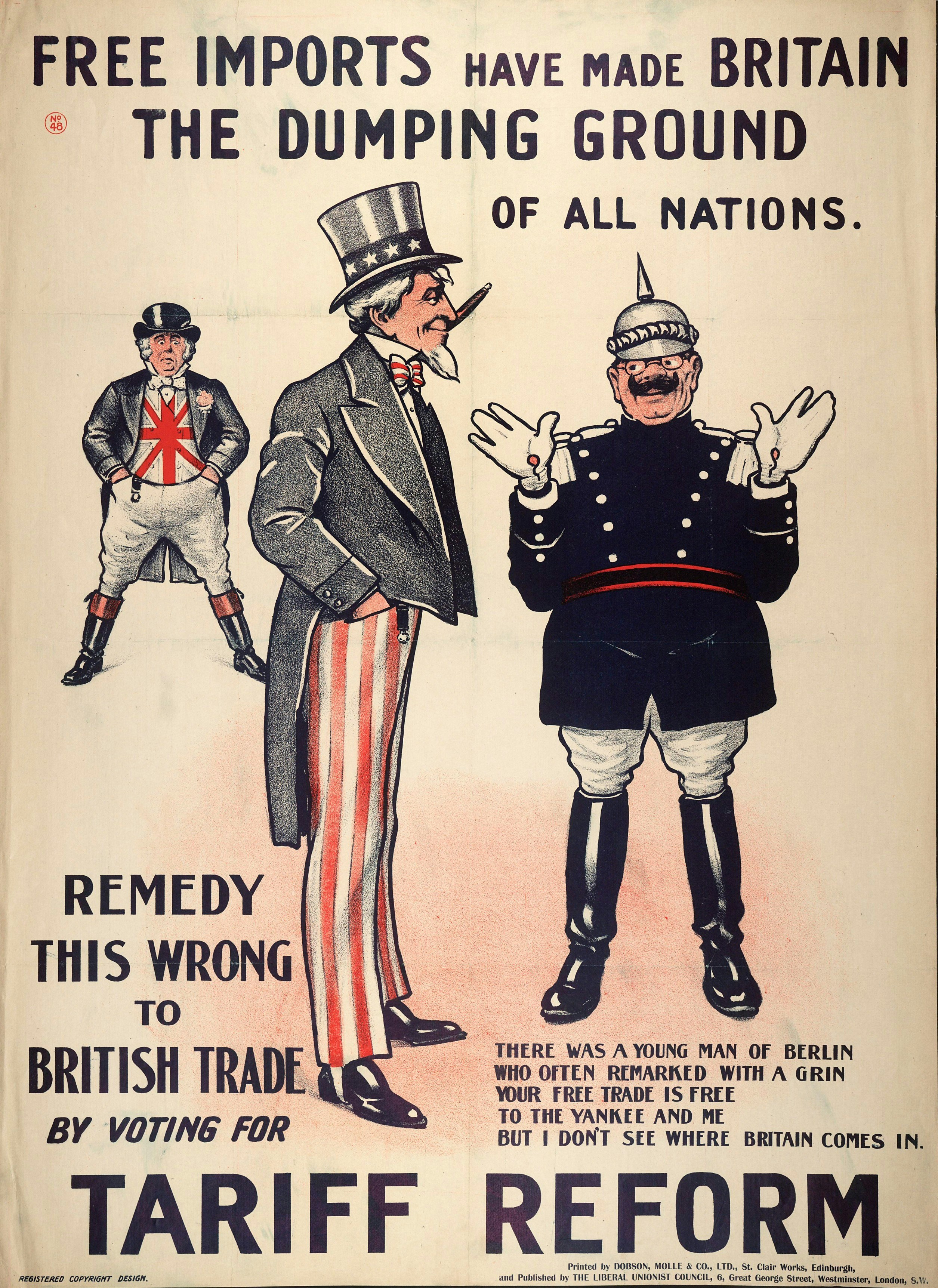
The recent imposition of a 50% tariff on Brazilian imports by the United States has raised significant concerns regarding its implications for Brazilian industries as well as overall U.S.-Brazil trade relations. This tariff, which aims to protect U.S. manufacturing, poses immediate challenges for Brazilian exporters who rely heavily on the American market for their goods. The increased costs associated with these tariffs are likely to lead to reduced competitiveness of Brazilian products in the U.S. market, thereby adversely affecting sales and revenue for many companies in Brazil.
Furthermore, the impact extends beyond individual industries; it potentially threatens the broader economic relationship between the two nations. Brazil has historically exported a variety of goods to the U.S., including agricultural products, steel, and textiles. With the tariff effectively creating a barrier, Brazilian industries may suffer from reduced market access, which could hinder growth and job creation. This situation not only affects direct exporters but also has a ripple effect throughout the Brazilian economy, resulting in supply chain disruptions and increased uncertainty in investment opportunities.
In response to these tariff concerns, Brazilian President Lula has proposed a reduction of tariffs back to 10%. This proposal aims to alleviate the financial strain on Brazilian exporters while fostering improved trade relations between the U.S. and Brazil. Lowering tariffs could promote a more balanced trade dynamic, allowing both countries to benefit from mutual economic growth and cooperation. As bilateral relations evolve, stakeholders from both nations will need to navigate the complexities of tariff reform, ensuring that future trade policies are equitable and conducive to economic stability.
Political Context of the Call
The recent telephone conversation between former U.S. President Donald Trump and Brazilian President Luiz Inácio Lula da Silva took place against a complex political backdrop. Lula’s relationship with Trump has been notably controversial; in the past, Lula accused Trump of engaging in foreign interference in Brazilian affairs, particularly concerning the 2018 elections that ultimately led to Lula’s imprisonment. These accusations reflect deep-seated tensions that have existed over the years, positioning Lula as a critic of Trump’s approach and politics in the region.
Despite these historical grievances, the political climate at the time of the call suggested a mutual desire to strengthen U.S.-Brazil relations. Following a period of polarized politics, especially during the Trump administration, the current global landscape has encouraged both leaders to seek collaboration, particularly in areas such as climate change, trade, and economic recovery post-COVID-19. Lula’s administration has also shifted its focus towards diplomacy and international cooperation, which might lead to a more amicable dialogue with figures like Trump, who holds significant influence in certain sectors within the U.S.
Furthermore, the call can be viewed through the lens of the ongoing political challenges both leaders face within their respective countries. While Lula navigates a divided Congress and public opinion, Trump is grappling with legal challenges and a polarized base. These factors likely informed the tone and content of their conversation, emphasizing collaboration over conflict. It is important to recognize that while previous accusations of foreign interference remain a chapter in their history, the need for allied cooperation in an increasingly interconnected world is paramount. This context ultimately sets the stage for a potentially significant diplomatic relationship between the United States and Brazil moving forward.
Future Engagements between Trump and Lula
As the global political landscape shifts, the relationship between former President Donald Trump and Brazilian President Luiz Inácio Lula da Silva presents opportunities for further engagement, particularly in the context of pressing international issues. One notable occasion that is on the horizon is Lula’s invitation to the UN Climate Summit, which will take place in the coming months. This event will serve as a key platform for world leaders to address climate change and sustainability, aligning with both leaders’ interests in fostering robust international dialogue. Trump has previously demonstrated a keen interest in environmental policies, albeit from a different perspective, thus making this summit a potential venue for constructive discussions.
In addition to the UN Climate Summit, the possibility of meetings during the ASEAN summit in Malaysia cannot be overlooked. This international gathering will present an ideal backdrop for Trump and Lula to engage further on bilateral and multilateral topics, as it brings together leaders from various nations to discuss shared concerns. The ASEAN summit could provide both men the opportunity to explore strategic partnerships, particularly in areas related to trade and economics, which are vital for both the United States and Brazil.
Moreover, ongoing dialogues between their administrations could lead to collaborative approaches on issues such as food security, technology transfer, and health diplomacy. Both leaders may find common ground in their respective visions for their nations’ economic futures, promoting trade and investment that could benefit both societies. Such engagements can not only enhance U.S.-Brazil relations but also establish a model for cooperation among diverse political ideologies. By maintaining open lines of communication, Trump and Lula can foster a relationship that adapts to changing global dynamics while addressing regional challenges that are prevalent today.
Reactions from Political Analysts
The recent call between U.S. President Donald Trump and Brazilian President Luiz Inácio Lula da Silva has elicited a range of reactions from political analysts, who view this dialogue as a pivotal moment in U.S.-Brazil relations. The significance of this communication cannot be understated, as it comes at a time when both nations are navigating complex political landscapes. Analysts argue that this renewed engagement marks a departure from prior tensions and underscores an important strategic partnership that could enhance economic collaboration between the two countries.
Various experts emphasize that the call signifies a willingness on both sides to prioritize diplomatic relations over previous hostilities. The potential outcomes of this dialogue are vast; some analysts suggest that enhanced cooperation in trade and environmental policies could emerge as primary focuses. Given Brazil’s crucial role in Latin America, establishing a solid relationship with the U.S. may lead to greater regional stability, impacting issues such as immigration and security. This could also open doors for American businesses to invest in Brazil, fostering economic growth that benefits both nations.
<pmoreover, a=”” advocates=”” alliances=”” america.=”” american=”” analysts=”” and=”” as=”” benefits=”” between=”” both=”” brazil.
Public Sentiment in Brazil and the U.S.
The recent call between President Donald Trump and President Luiz Inácio Lula da Silva has sparked considerable conversation within both Brazil and the United States. Analyzing public sentiment in both nations regarding their leaders and the subsequent strengthening of U.S.-Brazil relations presents a multifaceted perspective, influenced by historical ties, economic considerations, and geopolitical strategy.
In Brazil, Lula’s presidency has historically been marked by a desire for greater cooperation with the U.S., particularly in areas such as trade, environmental policy, and humanitarian efforts. Recent polling indicates a favorable attitude among Brazilians towards strengthening ties with the United States, especially in light of the challenges posed by global economic fluctuations. Surveys conducted by respected polling organizations reveal that approximately 65% of Brazilians support closer diplomatic relations with the U.S., a sentiment that correlates with a growing recognition of the economic benefits stemming from such partnerships.
Conversely, in the United States, public opinion on relations with Brazil is somewhat mixed. While some sectors of the American populace acknowledge the importance of Brazil as an emerging market and a strategic partner in South America, concerns about environmental policies, particularly in the Amazon, have created a degree of skepticism. Polling data shows that around 52% of Americans view Brazil positively but are cautious about the leadership effect these relations may have on climate change initiatives. Additionally, Trump’s administration’s prior stance on global warming may have influenced these perceptions, highlighting the complexity of U.S.-Brazil dynamics.
Thus, both nations are navigating a landscape charged with historical context and modern-day implications. The evolving sentiment underscores the necessity for ongoing dialogue and cooperation, which the call signifies. The future of U.S.-Brazil relations hinges on both leaders’ ability to bridge any gaps in public perception while pursuing shared goals that resonate positively with their respective constituents.
Conclusion
In light of the recent call between former President Donald Trump and President Luiz Inácio Lula da Silva, it is important to underscore the significance of their diplomatic engagement. This interaction represents a pivotal moment in U.S.-Brazil relations, showcasing a mutual desire for collaboration and political alignment. The discussions held during the call emphasized areas of common interest, such as trade, climate change, and social issues, which are crucial for both nations as they navigate complex global challenges.
One of the key takeaways from this telephone conversation is the acknowledgment of Brazil’s prominent role in South America and its potential influence on the global stage. The strengthening of U.S.-Brazil relations could lead to increased cooperation on numerous fronts, including economic partnerships and diplomatic strategies. Both leaders have recognized that rebuilding the ties between their countries can facilitate broader dialogue and foster a deeper understanding of each other’s priorities.
Moreover, this call highlights the changing dynamics in international relations, where nations are increasingly seeking collaborative solutions to emerging global challenges. The dialogue between Trump and Lula indicates a commitment to work together to address pressing issues that affect both the Americas and the world. In this context, the evolving relationship between the U.S. and Brazil can pave the way for a more synergistic approach to future diplomacy and international policy making.
Ultimately, the recent exchange between these two leaders sets a foundation for possible advancements in U.S.-Brazil relations, encouraging optimism about future engagements. As both leaders continue to navigate their respective political landscapes, the potential for improved cooperation remains strong, promising a fruitful partnership in the years ahead.

The What Happened Newsroom is the editorial team behind WhatHappened.online, publishing verified global news and analysis across politics, technology, and current events. Our goal is to keep readers informed with factual, balanced, and timely reporting.
🔍 Read our Editorial Policy to learn how we verify information and correct errors.