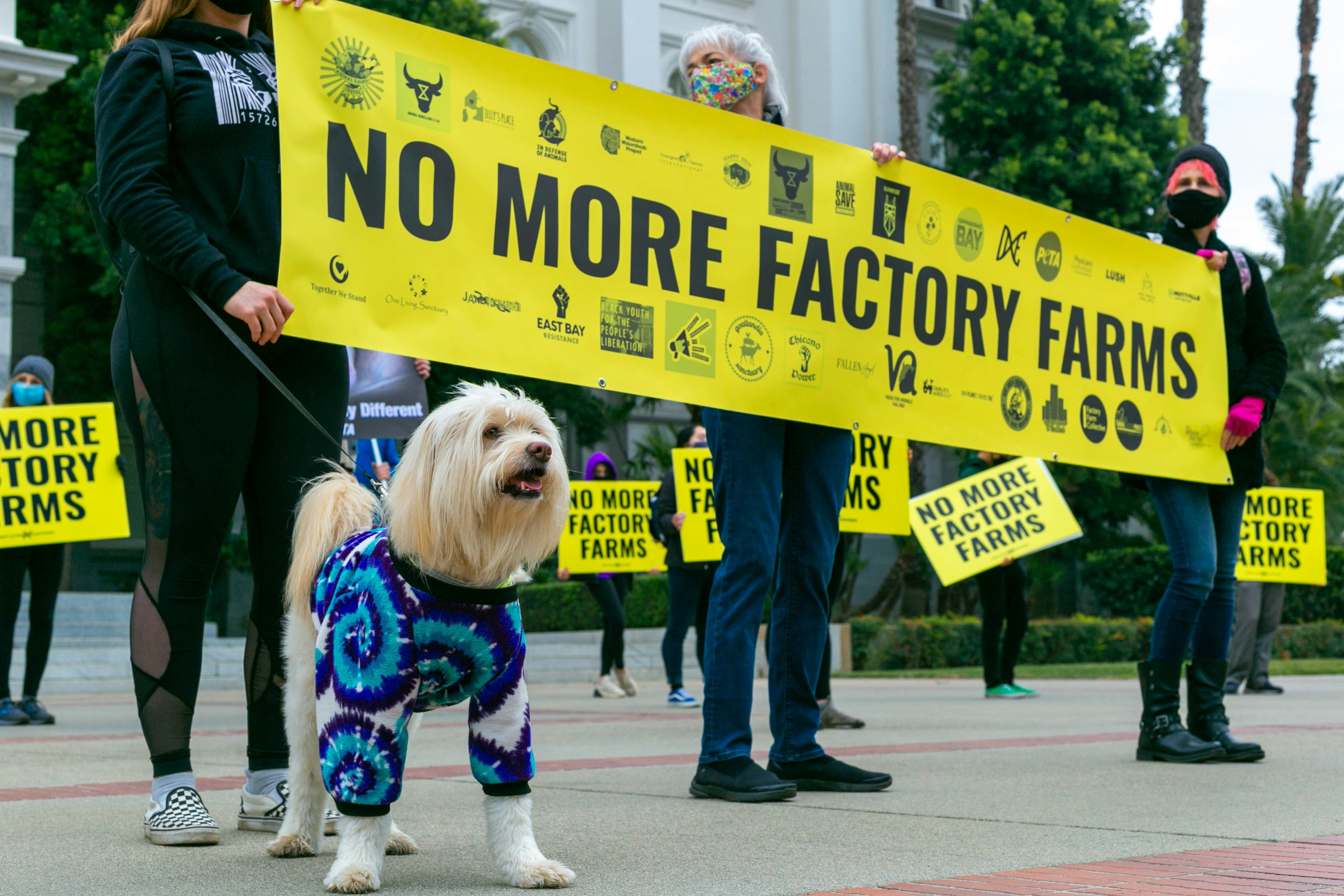
Introduction to the Activist Plan
Animal rights activists are gearing up for a significant operation aimed at rescuing a substantial number of dogs from Ridglan Farms, a noted beagle breeding facility. The upcoming event has generated considerable attention and conversations among various stakeholder groups, highlighting the commitment of the advocates and their resolve to address animal welfare issues. This operation reflects a broader movement towards ethical treatment and humane conditions for animals used in breeding practices.
The planned rescue operation at Ridglan Farms is expected to attract numerous participants, including seasoned activists, animal lovers, and members of various organizations advocating for animal rights. This diverse group highlights the increasing public awareness surrounding animal welfare and the growing support for the humane treatment of dogs bred for companionship and other purposes. Activists aim to mobilize community support, emphasizing the importance of collective action in their efforts to promote humane standards in breeding and care.
Motivations driving this undertaking stem from reports and investigations regarding the living conditions of the dogs at Ridglan Farms. Concerns about the treatment and welfare of the animals have sparked outrage within the community, prompting an organized response from passionate advocates dedicated to change. By raising awareness and bringing attention to these practices, the activists hope to foster greater understanding and urgency surrounding issues related to commercial breeding facilities, particularly those that have faced scrutiny for insufficient animal care.
The operation is not merely a singular event but a manifestation of ongoing efforts to encourage dialogue, legislative reform, and change within the industry. The organized raid exemplifies the activists’ commitment to creating a safer environment for dogs and other animals subjected to similar conditions, advocating for their rights and overall welfare through concerted action.
Background on Ridglan Farms
Ridglan Farms, established in the early 1990s, functions primarily as a beagle breeding facility situated in a rural area. This operation quickly gained attention due to its expansive scale, as it houses over 1,000 beagles at any given time. Initially, the farm’s mission was to provide high-quality breeding stock for research purposes, with a focus on health, temperament, and adaptability. While some aspects of its operations have been well-received within certain sectors, the facility has faced a significant amount of scrutiny and criticism related to animal welfare.
In the last decade, various animal welfare organizations have raised concerns about the living conditions of the dogs at Ridglan Farms. Critics have cited issues such as overcrowding, lack of socialization opportunities, and inadequate veterinary care. Furthermore, allegations have emerged concerning the ethical implications of breeding dogs primarily for laboratory research, which contributes to ongoing debates about animal rights versus scientific advancement. These concerns have prompted investigations by regulatory bodies and calls for stricter animal welfare standards.
Ridglan Farms has publicly defended its practices, asserting that it adheres to federal guidelines and prioritizes the well-being of the animals. Nonetheless, the mounting evidence of potential neglect has polarized public opinion. Proponents argue that the facility is a necessary component of biomedical research, while opponents label it as a breeding ground for inhumane treatment. The controversies surrounding Ridglan Farms have only intensified in recent years, leading to organized attempts from various activist groups to address perceived injustices and advocate for the beagles housed there. This backdrop of complex operational facets and significant ethical concerns sets the stage for the planned rescue operation that has garnered considerable attention from both animal rights activists and the public.
The Activists’ Motivations and Goals
The ongoing controversy at Ridglan Farms has galvanized animal rights activists, whose motivations predominantly stem from concerns regarding alleged animal abuse and neglect. These individuals and organizations advocate for the rights and welfare of animals, viewing the conditions at the farm as unacceptable. Reports of inadequate living conditions, limited access to veterinary care, and improper treatment of the animals have escalated tensions, prompting activists to take action.
Central to their cause is the belief that every animal deserves a life free from suffering and exploitation. Activists contest the ethics behind breeding practices, arguing that the focus should shift towards animal rescue rather than perpetuating a cycle of breeding dogs for profit. This perspective raises a significant ethical debate surrounding the merits of breeding versus rescue. Activists assert that by rescuing animals from subpar situations, they not only alleviate suffering but also shift societal views towards greater compassion for all animals.
As part of their planned operation, activists have outlined clear goals: to rescue dogs deemed to be in distress, to expose potential abuses at Ridglan Farms, and to advocate for legal reforms that would enhance animal welfare protections. They aim to document evidence of the conditions that compel them to act, as well as to raise public awareness regarding the broader implications of animal breeding practices. Engaging with the community through campaigns and educational programs is also a priority for these activists, as they believe that informed citizens play a vital role in driving change.
Ultimately, the activists view their actions as a necessary step in a broader movement challenging the normalization of practices they deem harmful to animals, underscoring the need for policy change not only at Ridglan Farms but within the entire animal breeding industry.
Details of the Planned April 19 Raid
On April 19, a group of activists is expected to conduct a highly publicized raid at Ridglan Farms, aiming to rescue dogs alleged to be subjected to inhumane conditions. The organizers have been clear in their communications, outlining the rationale behind the raid and the moral imperative they feel to intervene. Their intent to highlight animal welfare concerns has garnered attention from various animal rights organizations and supporters, amplifying the urgency of their cause.
The planning of the raid has been meticulously laid out. Activist leaders have held several meetings to gather support and strategize logistical aspects. They have shared details through various social media platforms and community bulletins, urging participants to adhere to a nonviolent approach during the operation. Organizers have emphasized that their goal is to rescue the dogs without engaging in any form of confrontation that could lead to harm for both the animals and the individuals involved.
Participants are urged to arrive early on the day of the raid, with instructions regarding the rallying point and the timeline of events made clear. A press conference is scheduled to take place shortly before the operation begins, offering reporters the chance to document the activists’ motivations and goals firsthand. This initiative has been framed not only as a rescue operation but also as a pivotal moment for raising awareness about animal rights issues in a broader context.
As the date approaches, the activists remain committed to transparency in their actions, insisting that they aim to enact change through peaceful means. By highlighting the situational urgency and presenting their strategy openly, the organizers hope to galvanize support and ensure that the raid remains a peaceful endeavor aligned with their core values.
Reaction from Ridglan Farms and Its Supporters
In light of the upcoming dog rescue operation planned by activists at Ridglan Farms, the establishment has expressed strong opposition to the activists’ intentions. Ridglan Farms has characterized their actions as not only illegal but also as a threat to the operation of their legitimate business. The farm’s management firmly asserts that the dogs raised and bred on their property are treated humanely and are cared for under the guidance of established animal husbandry standards. They emphasize that these accusations against them are unfounded and damaging to their reputation.
The firm believes that the activists are misrepresenting their practices and motivations, claiming that the dramatic portrayal by some groups could lead to unnecessary panic within the local community. Additionally, Ridglan Farms has voiced concerns that such raids are not only disruptive but could ultimately harm the welfare of the animals involved, as the actions may create chaos and distress among the dogs.
Supporters of Ridglan Farms, including local breeders and members of the agricultural community, have rallied behind the establishment. They argue that the farm complies with all necessary regulations and should be allowed to operate without interference. Many have taken to social media and community forums to express their discontent regarding the planned actions of animal rights activists, voicing their belief that animal breeding can coexist with humane treatment practices. Thus, the support from local community members and animal breeding advocates has been significant, framing the rescue operation as an overreach of activist influence rather than a necessary intervention.
As the planned operation approaches, the divide between the advocates for animal welfare and supporters of Ridglan Farms appears to widen, creating a contentious atmosphere in the community regarding the future of dog breeding operations in the area.
Security Measures at Ridglan Farms
In light of escalating tensions between animal rights activists and breeding facilities, Ridglan Farms has taken a series of stringent security measures to safeguard its operations and animals. These measures are a direct response to the potential threats posed by organized rescue operations and unwarranted intrusions into the property. The facility has invested significantly in enhancing its physical barriers, such as robust fencing that encircles the premises. This fencing, constructed from durable materials, is designed to deter unauthorized entry while allowing for proper visibility and monitoring of the surrounding area.
Alongside the fencing, Ridglan Farms has implemented deep trenches around key areas of the property. These trenches serve as an additional deterrent against potential breaches, making it difficult for individuals who intend to infiltrate the farm for illicit rescue missions. The physical barriers are complemented by advanced surveillance systems, including motion sensors and high-resolution cameras. These technologies are crucial for real-time monitoring, ensuring that any suspicious activities are promptly identified and addressed by the security personnel stationed on-site.
Moreover, the management of Ridglan Farms has prioritized the training of its security staff, equipping them with the skills necessary to handle various situations that might arise. This proactive approach underscores the facility’s commitment to ensuring the safety of not only the dogs but also its employees and the surrounding community. The increasing investment in security measures reflects the growing conflict between animal activism and the breeding industry, illustrating a complex landscape where both sides are deeply entrenched in their respective beliefs. As tensions continue to rise, it remains imperative for facilities like Ridglan Farms to remain vigilant and prepared against any potential threats.
Nonviolence as a Guiding Principle
At the core of the activists’ philosophy leading up to the upcoming operation at Ridglan Farms is a steadfast commitment to nonviolence. This guiding principle serves not only as a strategy but also as a moral framework that underscores their approach to rescuing the dogs. The activists firmly believe that peaceful methods are essential for fostering an environment conducive to dialogue and change, even in the face of potential resistance from property owners or local authorities.
The commitment to nonviolence is deeply rooted in the history of social movements that have sought to effect change without resorting to aggression. Inspired by figures such as Mahatma Gandhi and Martin Luther King Jr., the activists emphasize that nonviolent actions can speak louder than words, drawing public sympathy and support for their cause. By employing peaceful tactics, they aim to highlight the plight of the animals while simultaneously advocating for humane treatment, sparking a collective consciousness among the wider community.
To ensure the operation remains nonviolent, the activists are implementing a series of strategies. Extensive training sessions are being organized, focusing on conflict resolution, de-escalation techniques, and effective communication strategies. Each participant in the operation is encouraged to adopt a peaceful demeanor, employing calmness even when confronted by hostility. Additionally, a clear set of guidelines is established, which includes a code of conduct that emphasizes respect for all living beings involved in the situation.
By foregrounding nonviolence in their mission, the activists aspire to create a model for future operations—one that illustrates the powerful impact of peaceful action in advocating for those who cannot speak for themselves. Their dedication to nonviolent principles aims to ensure that the rescue effort at Ridglan Farms is not only effective in rescuing dogs but also exemplary in how social change can be pursued in a just and compassionate manner.
Potential Legal and Ethical Ramifications
The planned rescue operation by activists at Ridglan Farms raises significant legal and ethical questions that merit thorough examination. The activists may potentially violate several laws, including trespassing and burglary, if they gain unauthorized access to the property to rescue the dogs. These laws are designed to protect property rights and ensure that individuals cannot unlawfully enter another’s premises, even with altruistic intentions. Furthermore, if any dogs are removed without the property owner’s consent, the activists could face serious legal consequences, including charges of theft.
Apart from the legal implications, the ethical dilemmas surrounding such operations cannot be ignored. Activists often argue that the ends justify the means when addressing issues of animal welfare. However, this perspective raises complex moral questions. For instance, does the potential harm inflicted upon the animals during a chaotic rescue operation outweigh the long-term benefits of saving them? Additionally, such actions may jeopardize future rescue attempts; if the activists are prosecuted, it could deter others from engaging in similar operations in the future.
Moreover, the ethics of intervention must consider the potential risks to the animals themselves. A rescue operation that spirals into violence or panic can lead to increased stress and harm to the animals, thus challenging the notion that the activists’ intervention was ethically justified. Furthermore, the backlash from the community and legal authorities may escalate tensions around animal rights and welfare, complicating the broader narrative on animal activism.
In light of these considerations, it is crucial for activists to weigh the possible legal repercussions against their moral convictions. A more judicious approach, one that seeks collaboration with authorities and advocates for positive legal reform, may serve the cause of animal welfare more effectively than confrontation and defiance.
Conclusion: The Future of Animal Rights Activism
The recent raid on Ridglan Farms has sparked significant discourse around the future direction of animal rights activism. As society increasingly becomes aware of animal welfare issues, the methodologies employed by activists are under close scrutiny. Movements focused on animal rights are witnessing a transformation in the way they operate, engage with the public, and leverage media coverage. Activism today is not only about outrage; it also encompasses education and awareness campaigns aimed at reshaping public perceptions of animal treatment.
Public perception of activism has evolved dramatically over the years. In earlier decades, activists were often seen as fringe elements, employing extreme measures to draw attention to their causes. However, as animal rights issues gain more mainstream support, activists are finding themselves in a position to influence policy and public attitudes. The utilization of social media platforms has allowed these groups to mobilize more effectively, share compelling narratives, and foster greater empathy towards animals.
The implications of high-profile operations, such as the one at Ridglan Farms, extend far beyond the immediate impact. They challenge existing norms and compel both lawmakers and the general public to reevaluate their stance on animal welfare. These events can serve as catalysts for legislative change and encourage wider participation in campaigns promoting humane treatment of animals. The increased visibility of such events also brings an opportunity for dialogue on sustainable practices in industries that rely on animals.
In conclusion, the ongoing evolution of animal rights activism, spurred by landmark events like the Ridglan Farms raid, signifies a critical moment in the movement’s history. As these discussions continue, it remains imperative for activists to balance advocacy with strategic engagement to nurture a more humane society devoted to the welfare of all sentient beings.

The What Happened Newsroom is the editorial team behind WhatHappened.online, publishing verified global news and analysis across politics, technology, and current events. Our goal is to keep readers informed with factual, balanced, and timely reporting.
🔍 Read our Editorial Policy to learn how we verify information and correct errors.