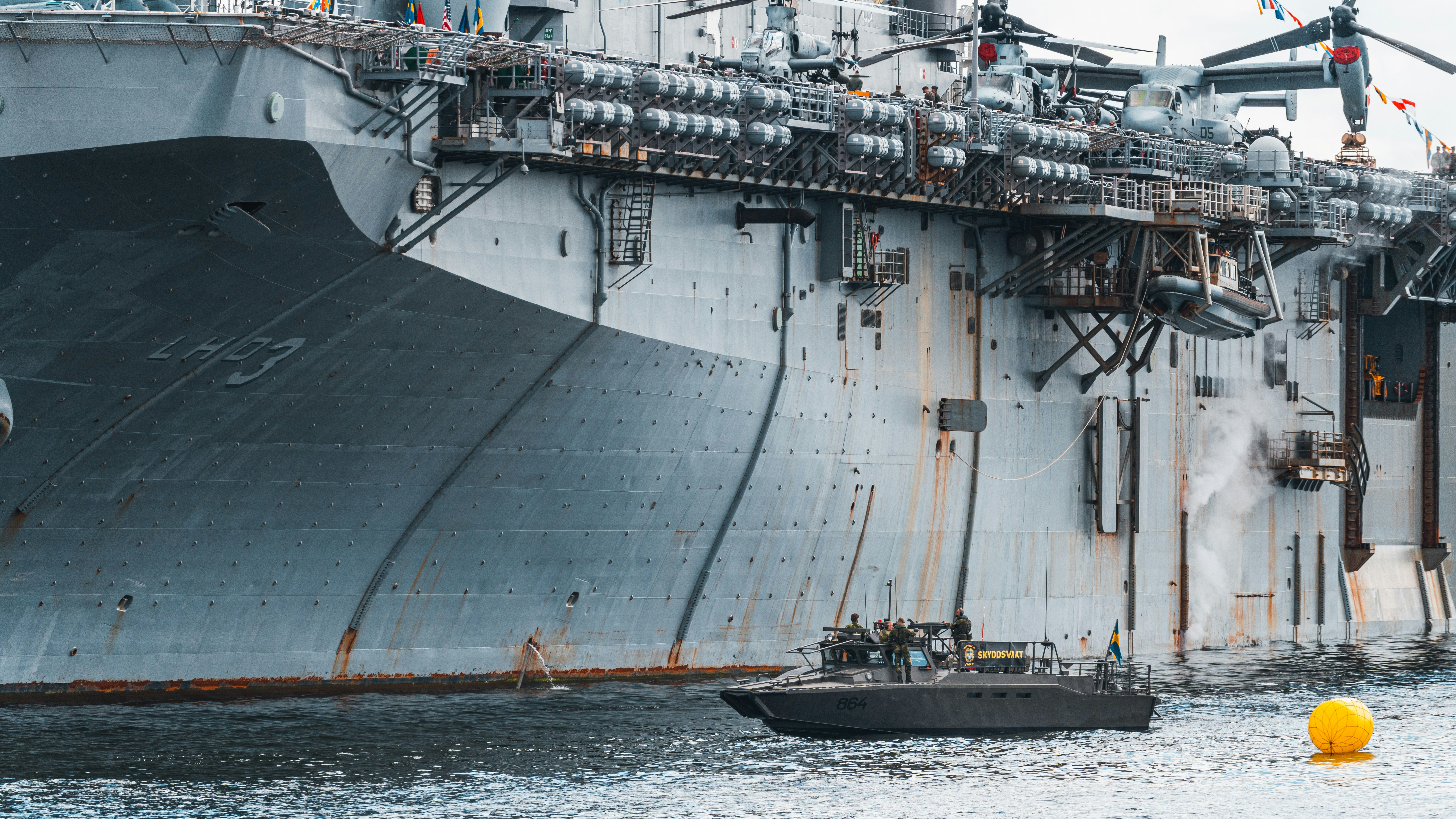
The Evolution of Warfare in the 21st Century
The nature of warfare has undergone significant transformations in the 21st century, particularly with the advent of drone technology. Drones have emerged as a central component of modern military strategy, reshaping battlefields in ways previously unimaginable. The integration of unmanned aerial vehicles (UAVs) into military operations has enabled armed forces to conduct surveillance, gather intelligence, and engage in targeted strikes with heightened precision and reduced risk to personnel.
The psychological effects of drone warfare are profound, impacting both combatants and civilians. For soldiers, the experience of engaging in warfare from a distance can lead to a complex array of emotional and mental health challenges. The detachment afforded by remote piloting may mitigate immediate physical risks but can lead to feelings of isolation and moral ambiguity regarding the consequences of their actions. On the other hand, civilians in conflict zones face the specter of drone activity, which can instill a pervasive sense of fear and helplessness. The psychological impact on communities heavily affected by drone strikes, often characterized by loss and trauma, underscores the need for a comprehensive understanding of these technologies’ consequences.
The geopolitical landscape surrounding drone warfare is fraught with tension, as nations grapple with issues of sovereignty, ethics, and international law. The deployment of drones by the U.S. and its allies in various operations often provokes debates regarding the legitimacy of such actions and the implications for global security. Furthermore, as more states acquire drone technology, the potential for increased conflict and instability raises critical questions about accountability and the future of warfare. In light of these developments, it is essential to critically analyze the evolving dimensions of warfare in the 21st century, particularly as they relate to the psycho-social impacts of drone warfare and its consequent implications for international relations.
Disturbing Footage: The Reality of Drone Warfare
The advent of drone warfare has introduced a disturbing paradigm in military operations, particularly in the context of U.S. involvement in the Middle East. Drone surveillance videos offer a chilling glimpse into the human experience of combat, serving as a stark reminder of the visceral reality faced by soldiers on both sides of the conflict. These videos, often shared across various media platforms, depict the tense, anxiety-ridden moments experienced by ground troops who become targets of drone strikes.
For many soldiers under threat, the psychological impact of being hunted by an unmanned aerial vehicle (UAV) is profound. The constant awareness of surveillance creates an atmosphere of perpetual fear, common among those who know they are being tracked. This fear is compounded by the knowledge that a drone can strike with little to no warning, leading to heightened levels of stress and anxiety. The footage can serve as a form of psychological torment, capturing moments of vulnerability that resonate deeply with both soldiers in the field and civilian observers.
Moreover, the impact of this relentless monitoring extends beyond immediate apprehension. As drones hover overhead, they invade not only the physical space of troops but also their mental sanctum. Soldiers may grapple with feelings of helplessness, as they can effectively be seen but are often powerless to defend themselves against an aerial attack. This stark reality not only affects the morale of military personnel but also impacts their mental well-being long after the conflict has ended.
Ultimately, the imagery captured in these drone surveillance videos starkly illustrates the emotional and psychological toll of modern warfare. It reveals a layered complexity in the experience of combat that transcends traditional frontlines, manifesting as an ongoing struggle for survival against the omnipresent threat of technology-facilitated violence.
The Role of Drones in Modern Conflict: Perspectives from Russia and Ukraine
The emergence of drone technology has significantly influenced modern military tactics, particularly observable in the ongoing conflict between Russia and Ukraine. Drones have been increasingly integrated into warfare strategies, acting not only as aerial surveillance tools but also as platforms for targeted strikes. Their deployment has transformed traditional battlefield dynamics, facilitating a shift in how both sides engage in military operations.
Initially, drones were primarily employed for reconnaissance, providing real-time intelligence and enhancing situational awareness on the ground. However, as the conflict progressed, their capabilities expanded to include offensive operations. For example, footage has documented multiple instances of Ukrainian forces utilizing drones to target Russian armored vehicles and supply lines, demonstrating their effectiveness in disrupting enemy troop movements. The precision of drone strikes has compelled both sides to reconsider their tactical approaches, necessitating more mobile and dispersed formations to mitigate vulnerability.
Furthermore, the presence of drones has led to the evolution of counter-drone techniques. Russian forces, facing increasing attacks from Ukrainian drones, have invested in electronic warfare systems aimed at jamming drone signals or intercepting feeds. This arms race of adaptations exemplifies the psychological and operational impacts of drone technology on the battlefield. Soldiers are faced with the constant threat of surveillance and precision strikes, which can instill a pervasive sense of anxiety and alter combat patterns.
In conclusion, the role of drones in the Russia-Ukraine conflict has underscored their transformative impact on modern warfare. As both military forces continue to innovate their tactics in response to drone use, understanding the implications of aerial warfare becomes critical for comprehending the broader psycho-social ramifications of contemporary conflicts.
U.S. Marine Corps: The 11th MEU and Middle Eastern Deployment
The 11th Marine Expeditionary Unit (MEU) holds a significant role in U.S. military strategy, particularly concerning the Middle East. With a history of deployments reflecting various military objectives, this elite unit is structured to provide rapid response capabilities in diverse situations. The current geopolitical climate, characterized by ongoing tensions with Iran, necessitates a thorough evaluation of the 11th MEU’s possible deployment to the region.
The MEU’s operational framework is centered around its ability to perform a wide range of missions—from humanitarian assistance to combat operations. Historically, units like the 11th MEU have been pivotal in showcasing U.S. military presence and readiness. In light of Iran’s nuclear ambitions and its regional influence, the deployment of the 11th MEU could serve as both a strategic deterrent and a demonstration of military commitment to allies in the area.
One of the key objectives of this potential deployment is to reassure partners in the Gulf Cooperation Council (GCC) and counter any perceived aggression from Iranian forces. The 11th MEU is equipped with various assets, including air, ground, and logistical components, which provide a versatile offensive and defensive posture. This capability aligns with the latest military strategies that emphasize the importance of joint operations and coalition frameworks to effectively manage and mitigate threats.
Furthermore, the implications of such a deployment extend beyond military engagement. The presence of the 11th MEU may significantly impact local socio-political dynamics, as communities react to both the arrival and activities of U.S. forces. It is crucial to consider how these interactions could foster relationships or trigger resistance among local populations, thus shaping the broader psycho-social landscape of U.S. military involvement in the Middle East.
The Iranian Military Landscape: Understanding the Opposition
The military capabilities of Iran are often misunderstood, especially when considering the geopolitical tensions surrounding the Strait of Hormuz. Iran possesses a multifaceted military structure that integrates conventional forces, asymmetric warfare tactics, and an extensive network of regional alliances. It is essential to dissect these elements to comprehend both its strengths and vulnerabilities in the context of its strategic opposition to U.S. military presence and allies.
Iran’s armed forces are primarily organized into two distinct entities: the Islamic Republic of Iran Army (IRIA) and the Islamic Revolutionary Guard Corps (IRGC). While the IRIA focuses on conventional defense operations, the IRGC plays a pivotal role in projecting power and conducting unconventional warfare. The IRGC is particularly notorious for its influence across various proxy groups in the region, which allows Iran to extend its strategic reach beyond its borders, thus complicating U.S. military assessments.
One of the critical regions where Iran demonstrates its military capabilities is the Strait of Hormuz, a strategic chokepoint through which approximately 20% of the world’s oil passes. Iran’s military strategy here includes a combination of naval forces, such as fast attack crafts and submarines, alongside sophisticated missile systems. This approach is not merely about direct confrontation; it also serves to enhance deterrence and assert Iranian influence over key maritime lanes.
Despite the perception of a robust military, Iran faces significant challenges, including economic sanctions, international isolation, and vulnerabilities in its defense infrastructure. The complexities of the Iranian military landscape illustrate a delicate balance; with growing regional tensions, U.S. strategists must navigate carefully to address both the misconceptions regarding Iran’s military strength and the broader implications for stability in the Middle East.
The Shift in U.S. Military Objectives: From Regime Change to Stability
The evolution of U.S. military objectives in the Middle East has undergone significant transformations in recent decades. Initially characterized by ambitions for regime change, particularly following the events of September 11, 2001, U.S. involvement in this geopolitical arena has shifted towards a more focused intent on stability. This change is largely a response to the chaotic aftermath of interventions, where the removal of governing structures in regions like Iraq led to prolonged conflict and instability.
In the early 2000s, the U.S. administration sought to reshape the region’s political landscape by promoting democracy as an antidote to terrorism. The application of military force was justified as necessary for achieving these ends. However, the subsequent rise of insurgent groups and sectarian violence revealed the unintended consequences of such an approach, prompting a reassessment of strategic goals. U.S. policymakers soon recognized that the elimination of adversarial regimes did not guarantee the establishment of stable and democratic governments.
Consequently, the focus of military operations has increasingly gravitated towards maintaining stability and protecting U.S. interests, particularly in securing oil shipping lanes that are vital to the global economy. Ensuring the uninterrupted flow of oil, combined with counterterrorism efforts, has become a priority. Military engagements are thus framed not merely as means of regime replacement, but as operations aimed at fostering a more secure environment. This pivot illustrates an understanding that stabilizing existing power structures may be more pragmatic than attempting to reshape them entirely, leading to a complex interplay between military strategy and diplomatic efforts in the region.
Economic Ramifications: Gas Prices, Oil Supply, and Market Reactions
The Middle East’s geopolitical landscape plays a vital role in global economic stability, particularly concerning oil supplies and gas prices. As major oil-producing countries are situated in this region, any military involvement or conflict significantly impacts global markets. Military actions, whether through airstrikes or ground troop deployments, can create uncertainty about oil supplies, leading to market volatility. Investors often react swiftly to perceived risks tied to military engagements, resulting in fluctuations in oil prices that can affect economies worldwide.
For instance, the escalation of military tensions can lead to speculation in oil futures, which has a direct impact on the pricing of gasoline and other petroleum products. When U.S. military operations in the Middle East increase, the fear of disrupted oil supplies often pushes prices higher. Conversely, if military operations result in stabilizing a conflict, oil prices may decrease as markets respond to a perceived reduction in risk. The direct correlation between military actions and oil prices is undeniable: when tensions rise, so too do gas prices, affecting consumers and economies globally.
Moreover, the dependency of many nations on Middle Eastern oil can exacerbate these economic ramifications. Countries that rely heavily on imports of oil from this region often find themselves vulnerable to price surges in times of conflict. This can result in elevated transportation costs, which, in turn, influence the prices of goods and services, causing broader economic challenges. The pattern of military intervention leading to fluctuating oil prices and subsequent market reactions underscores the complexity of how military strategy intertwines with global economic health.
The Psychological Impact on Marines: Facing the Reality of Combat
The deployment of U.S. Marines to conflict zones, particularly in the Middle East, has increasingly brought to light the significant psychological impacts of combat. Marines face a unique set of challenges that greatly affect their mental health, starting from the intense preparation needed for deployment to the high-stress environments they encounter once on the ground. These circumstances can lead to various psychological issues, including acute stress disorder, post-traumatic stress disorder (PTSD), and anxiety disorders.
One of the salient issues faced by Marines is the fear and anxiety associated with drone warfare. Unlike traditional combat, drone strikes can occur with little warning from a remote location, removing the visibility of the enemy and increasing feelings of vulnerability among ground troops. This atmosphere can breed a profound sense of fear, as Marines may be uncertain when or if a strike might occur. The psychological ramifications of this constant dread can exacerbate pre-existing mental health conditions and lead to the development of new ones.
The aftermath of combat experiences can leave lasting scars on Marines’ mental health. Many return home grappling with the effects of trauma and the haunting memories of their experiences. The inability to adjust back to civilian life can lead to feelings of isolation and despair. Furthermore, the stigma surrounding mental health in military culture often discourages Marines from seeking the help they need, compounding their struggles.
In addressing the psychological toll of combat, it is essential for military leadership to prioritize mental health resources and support systems. By creating an environment where Marines feel safe to express their mental health challenges, the military can help mitigate the long-term consequences of these experiences. Ultimately, understanding the psychological impact of combat and drone warfare on Marines is crucial for fostering a healthier military community and ensuring effective recovery and reintegration into civilian life.
Conclusion: The Future of Drone Warfare and U.S. Military Strategy
As the landscape of modern warfare continues to evolve, drone technology remains at the forefront of military strategy, particularly for the United States in its ongoing engagements in the Middle East. The integration of unmanned aerial vehicles (UAVs) has reshaped conventional warfare by allowing for precision strikes with minimal personnel risk. However, the implications of this method extend far beyond tactical advantages, encompassing significant psycho-social impacts and ethical considerations that shape future military strategies.
One primary concern is the psychological effect on both combatants and civilian populations. Drone warfare has been associated with trauma and stress among local communities due to the constant threat of surveillance and attack. The detachment created by remote control operations often leads to a desensitized approach to warfare, raising moral and ethical questions regarding accountability and the human cost of such strategies. Moving forward, the U.S. must balance technological advantages with a more humane approach to military engagements, ensuring that ethical considerations guide operational decisions.
Additionally, the reliance on drone warfare necessitates a reevaluation of international relations and military intervention policies. With growing awareness of the implications of such technology, there is a pressing need for the U.S. military to engage in transparent communication with affected areas, fostering trust and understanding. Furthermore, as adversaries develop counter-drone technologies, the principles of warfare could shift, highlighting the necessity for adaptive strategies. Ultimately, the future of U.S. military strategy in drone warfare will depend on an integration of technological innovation with ethical responsibility and a sincere recognition of the socio-political ramifications of military action.

The What Happened Newsroom is the editorial team behind WhatHappened.online, publishing verified global news and analysis across politics, technology, and current events. Our goal is to keep readers informed with factual, balanced, and timely reporting.
🔍 Read our Editorial Policy to learn how we verify information and correct errors.