A Heightened State of Readiness
The statements issued by Iran’s Revolutionary Guard Commander, particularly the declaration that the forces are ‘more ready than ever’, indicate a significant pivot in military readiness amid increased tensions with the United States. This assertion highlights a strategic response to what Iran perceives as escalating threats stemming from U.S. military movements in the region. The Revolutionary Guard’s positioning suggests a proactive stance towards deterrence, which could have profound implications for security dynamics in the Middle East.
The Commander’s remarks come at a time when the U.S. has been ramping up its military presence, conducting naval drills, and reinforcing bases strategically placed in proximity to Iran. This escalation has heightened the urgency for Iran to bolster its armed forces and enhance operational readiness. The language used reflects a blend of confidence and caution, suggesting that Iran intends to send a clear message of its military capabilities and preparedness.
Being ‘more ready than ever’ signals not only an increase in military capabilities but also a shift in how Iran may respond to potential provocations. As a result, regional security dynamics may evolve rapidly, potentially leading to an arms race or increased incidents of confrontation, particularly in contested areas such as the Strait of Hormuz, a critical chokepoint for global oil transportation.
This heightened readiness, therefore, represents more than just rhetoric; it is a strategic endeavor that could shape future engagements between Iran and U.S. forces. Observers of international relations will need to closely monitor these developments, as the implications of Iran’s readiness may lead to further complications in already volatile regional relations and contribute to a broader narrative of deterrence and military posturing in the Middle East.
Impact of Nationwide Protests in Iran
Recent nationwide protests in Iran have escalated significantly, resulting in a reported death toll exceeding 5,200 and the arrests of over 40,000 individuals. These protests, primarily sparked by widespread discontent with the government, have their roots in a combination of socioeconomic grievances and political repression. High inflation rates, unemployment, and a lack of basic services have exacerbated feelings of frustration among the Iranian populace, prompting widespread calls for change.
The government’s response to these demonstrations has been severe, reflecting a broader trend of crackdown on civil liberties. As the authorities react aggressively to maintain control, reports indicate the use of excessive force against protesters, including live ammunition and tear gas. This has led to an atmosphere of fear and repression, further stifling the voices of dissent. The Iranian leadership appears resolute in its commitment to suppress any challenges to its authority, often labeling protesters as foreign agents or enemies of the state.
The implications of such a crackdown extend beyond immediate civil rights concerns; they resonate deeply within the societal fabric of Iran. The heavy-handed approach not only undermines the potential for dialogue between the government and its citizens but also fosters an environment of mistrust and resentment. Many young Iranians, who were at the forefront of these protests, express a sense of betrayal, feeling that their fundamental rights are being systematically eroded. The long-term consequences may further destabilize the region as ongoing unrest could encourage even greater anti-government sentiment, leading to potential future uprisings.
In light of these developments, the protests in Iran represent not only a struggle for rights and freedom but also a reflection of the broader societal unrest driven by unmet aspirations and dwindling hopes for political reform. The combination of a harsh government response and a burgeoning desire for change poses enduring challenges for the Iranian state, as it grapples with both internal dissent and external pressures.
International Reactions and Security Concerns
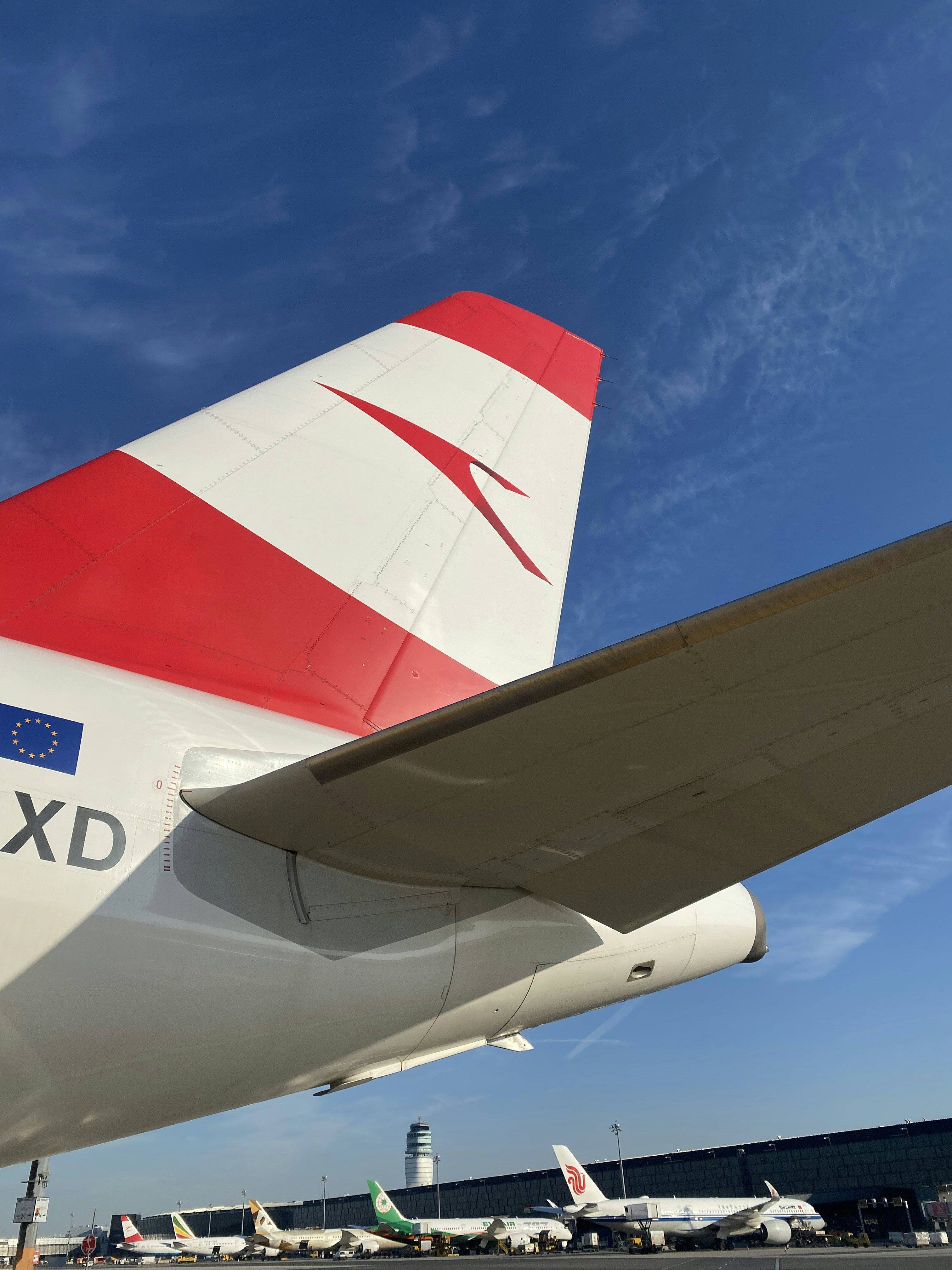
The heightened tensions in the Middle East, particularly concerning Iran’s recent military posturing, have prompted significant reactions from the international community. One immediate response has been the decision of several European airlines to halt their regional flights to and from Iran. This precautionary measure reflects serious security concerns about the potential for escalating conflict in the region, which could threaten the safety of both airline staff and passengers.
According to airline officials, the safety of travelers remains the top priority. They have cited an increase in military activity and the possibility of hostilities in the area as key reasons for the suspension of flights. A spokesperson from one major European airline mentioned that “given the current geopolitical climate, we must prioritize the well-being of our customers and crew—our operations must reflect the realities of the situation on the ground.” This cautious approach aligns with assessments from security analysts who predict that the current tensions could lead to unforeseen incidents that might compromise air travel safety.
The implications of these flight cancellations extend beyond mere inconvenience for travelers. They underscore the fragile state of economic relations between Iran and Europe, which have already been strained by sanctions and political disagreements. Experts suggest that the suspension could have a ricochet effect on trade and tourism, further isolating Iran economically. Some analysts argue that this could make any reconciliation efforts more challenging, limiting dialogue in a region already marked by mistrust.
In this context, the decision by airlines to cease operations is a clear indication of the international community’s growing apprehension. The evolving situation will require careful monitoring as it could affect broader diplomatic efforts aimed at stabilizing the region in the long term.
Future Prospects: What Lies Ahead?
The recent escalations in tensions between the United States and Iran, highlighted by actions from Iran’s Revolutionary Guard and U.S. military deployments in the region, raise significant questions about the future dynamics of Middle Eastern geopolitics. As both nations reassess their strategies, varied implications are anticipated not only for their bilateral relations but for regional stability as well.
Leading experts emphasize that Iran might adopt a dual approach of enhanced military posturing coupled with a willingness to negotiate, aiming to bolster its position in future discussions. This strategy would enable Iran to project strength while keeping diplomatic channels open, thus mitigating potential isolation due to economic sanctions. Conversely, the United States may now consider a more calculated approach to its military footprint in the region, possibly aiming to deter Iranian aggressiveness without further inflaming existing tensions.
Critical to this scenario is the role of international diplomacy. Experts advocate for renewed diplomatic efforts involving neutral countries to mediate discussions between the U.S. and Iran. Historically, diplomatic engagements have proven effective in reducing hostilities, suggesting that backchannel negotiations or formal talks could pave the way for de-escalation. The success of such initiatives relies heavily on both parties demonstrating a commitment to resolving their differences through dialogue rather than military confrontation.
Furthermore, the influence of other regional players, including Saudi Arabia and Israel, cannot be overlooked. Their reactions to any moves made by the U.S. and Iran will also shape the broader conflict landscape. Cooperation among these states, combined with international support, could foster a more collaborative environment for tackling regional issues. Ultimately, as the situation evolves, careful monitoring and proactive engagement will be essential in preventing the escalation of hostilities.
The What Happened Newsroom is the editorial team behind WhatHappened.online, publishing verified global news and analysis across politics, technology, and current events. Our goal is to keep readers informed with factual, balanced, and timely reporting.
🔍 Read our Editorial Policy to learn how we verify information and correct errors.