Understanding the Freeze Warning
A freeze warning is a notification issued by meteorological authorities to alert residents about potentially hazardous weather conditions that may affect temperatures and vegetation. This type of warning is particularly common during the fall and winter months when temperatures begin to drop significantly. Specifically, for regions like North Texas, a freeze warning indicates that temperatures are expected to fall within the range of 28° to 32°F, which can have serious implications for local ecosystems and outdoor activities.
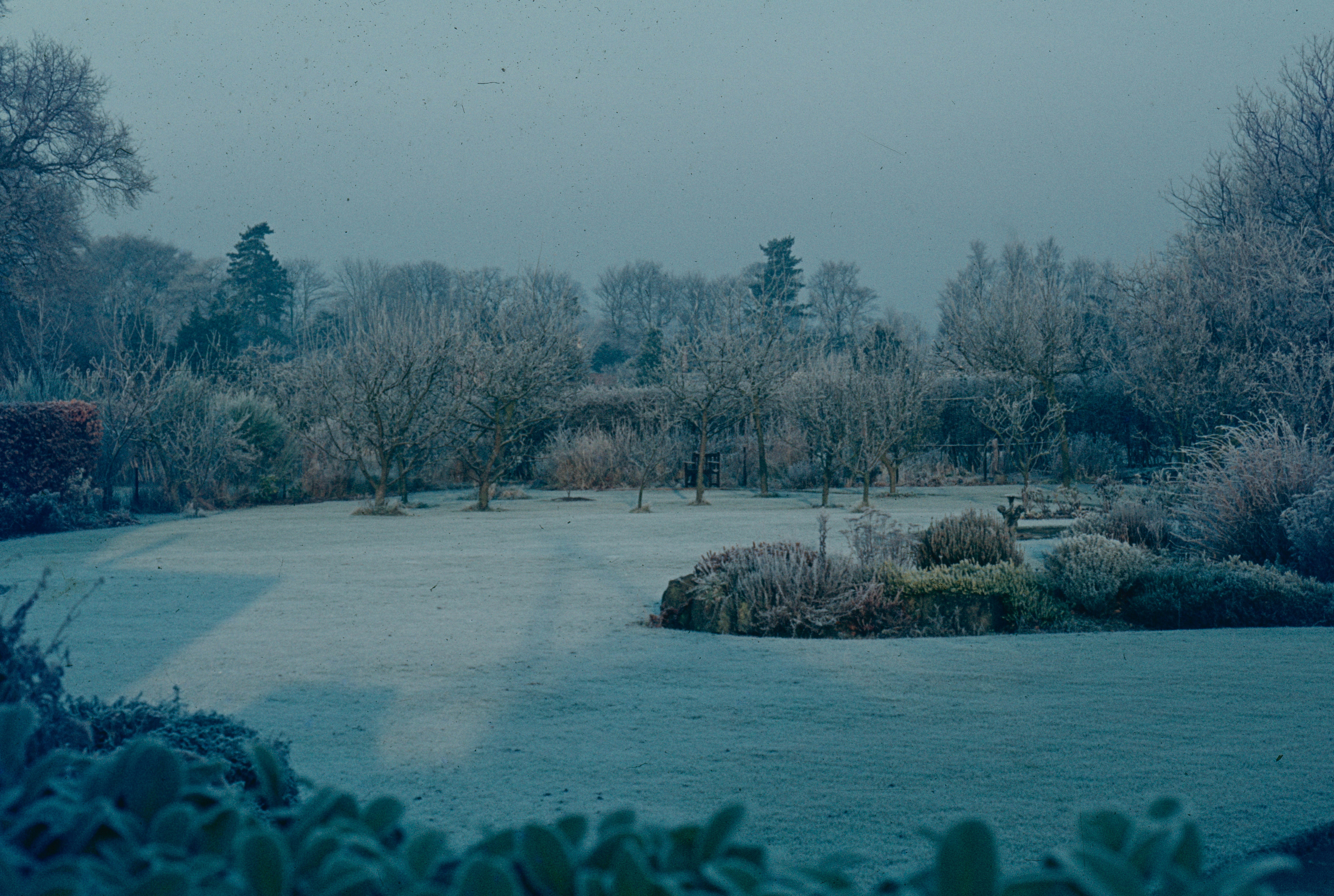
When a freeze warning is issued, it generally means that conditions are favorable for the formation of frost, which can damage sensitive plants and crops. It is crucial for residents to take preventive measures to protect their gardens and outdoor plants, as temperatures in this range can lead to significant frost damage. While a freeze warning is a serious advisory, it is essential to note that this specific warning does not equate to ‘pipe-bursting cold’, which typically occurs at even lower temperatures and may lead to more severe consequences regarding plumbing systems.
The timing of the current freeze warning is from Sunday night to Monday morning, allowing residents ample time to prepare before the critical temperature drop occurs. This is particularly relevant in urban areas, where heat from buildings and infrastructure can slightly affect localized temperatures. However, on clear nights with calm winds, these factors may not offer sufficient protection against cold temperatures that result in frost formation. Therefore, residents should monitor the weather forecasts closely and take appropriate actions, such as covering plants and draining garden hoses to mitigate the risk associated with the impending cold snap.
Impact on Sensitive Plants
As winter approaches and the first freeze of the season looms, it is crucial to understand how freezing temperatures can affect sensitive plants. Many common garden varieties and ornamental plants are particularly vulnerable to frost damage, which can lead to long-lasting effects on their health and growth.
Among the plant species that are most likely to be harmed by cold weather are tender annuals such as petunias, impatiens, and marigolds. These plants thrive in warm conditions, and exposure to freezing temperatures can cause cellular damage, resulting in wilting or even total collapse. Perennials like hibiscus or tropical plants such as bougainvillea also require protection, as their soft tissues can be severely affected by frost.
Homeowners should adopt several protective measures to safeguard their gardens from the impending freeze. Covering sensitive plants with frost cloths, blankets, or even old sheets can provide insulation that helps maintain warmth during the night. This layer of protection traps heat released from the ground and reduces chilling effects. When utilizing covers, it is important to ensure they reach the ground to create a pocket of warmer air around the plants.
For those with potted plants, relocating them indoors or to a sheltered location such as a garage or shed can be beneficial. Bringing these plants inside not only protects them from freezing temperatures but also maintains their health through the colder months. Additionally, the use of frost blankets and cloches can be particularly useful for low-growing plants, creating a mini-greenhouse effect that encourages resilience against chilly weather.
With the expected freeze warning, taking the appropriate measures to protect vulnerable plants is paramount. These precautions are essential for preserving the beauty of your garden and ensuring the longevity of your favorite vegetation through the winter season.
Preparation Tips for Homeowners
As the first freeze of the season approaches, homeowners must take proactive measures to safeguard their property and ensure comfort throughout colder conditions. One effective strategy is to create a pre-freeze checklist that encompasses several essential tasks. These preparations not only protect sensitive plants but also maintain the integrity of outdoor spaces.
Start by caring for your garden. Sensitive plants should be moved indoors or covered with blankets or frost cloths to shield them from freezing temperatures. If you have potted plants, consider bringing them inside or placing them in a sheltered location, such as a garage or basement. Additionally, protect any perennial flowers or shrubs with mulch, which can offer insulation against harsh conditions.
Next, attend to outdoor plumbing to prevent pipe bursts during freezing temperatures. Drain outdoor hoses completely and store them in a dry place. It is advisable also to check your irrigation systems, ensuring they are turned off and drained to minimize potential damage. If you own a swimming pool, make sure to winterize it appropriately by following manufacturer guidelines to prevent freezing-related issues.
Another critical step involves securing your outdoor spaces. Close any vents, sweep away leaves, and check gutters to ensure water flow is unobstructed. This action helps prevent ice formation that could lead to more significant issues. Furthermore, evaluate structures such as sheds and greenhouses for any needed repairs to reduce the risk of drafts.
As a consideration for pets, ensure that they are brought indoors during the colder weather. Provide a warm, cozy environment to keep them comfortable. Taking action promptly—a few days prior, preferably the weekend before the freeze—is vital to minimize damage and discomfort when temperatures plummet.
After the Freeze: What to Expect
Once the first freeze of the season has passed, garden enthusiasts must turn their attention to assessing the aftermath. Understanding how to evaluate plants and gardens for potential damage is pivotal to ensuring their long-term health. One of the first steps is to inspect plant foliage, as freezing temperatures can cause physical damage, manifesting as browning, wilting, or even complete dieback. It is vital to be cautious during this evaluation, as some plants might still show signs of vitality even if their tops appear affected.
For those plants that have sustained damage, careful pruning may be necessary. Cut back any dead or damaged branches, typically done in early spring or when the risk of further frost has diminished. This will not only help invigorate the plant but also promote new growth once warmer temperatures return. However, one must be cautious not to prune too much, as certain plants may still need their foliage to protect root systems during the colder months. In cases of severe damage, consider whether to replace the plants entirely or allow them time to recover—observing new growth should guide your decision-making process.
Following the freeze, it is also essential to stay informed about weather predictions. Keep an eye on forecasts for potential temperature fluctuations. In some instances, warm weather might return shortly after a freeze, which can impact ongoing garden care. If the weather is expected to warm, plants might require additional watering and protection from unexpected cold snaps. Thus, being vigilant and proactive is key to preserving the health of your garden in the days and weeks after the first freeze of the season.

The What Happened Newsroom is the editorial team behind WhatHappened.online, publishing verified global news and analysis across politics, technology, and current events. Our goal is to keep readers informed with factual, balanced, and timely reporting.
🔍 Read our Editorial Policy to learn how we verify information and correct errors.